Showing posts with label elderberry. Show all posts

Sunday, February 15, 2026

Pleasant Home Tea Blend - Tea of the Month

 In Late January I did one of several programs called Curative Properties of Tea (see program page if interested). As part of this program we sip tea while learning about herbs and thier various properties.  At the Park District of Oak Park, Pleasant Home facility, 12 people braved the cold and the snow to join us.  As the final part of the program we use our new knowledge to create a tea bland to sample.

It was described as smooth, flavorful and light by participants.  It is a light pink to red color with a ton of medicinal properties from the herbs included. We used a base of lemongrass with all of its anti-inflamatory and anti-bacterial properties and built on that with immunity boosting ingredients.

Lemongrass imparts a fresh, lemony, and slightly gingery flavor to dishes and beverages. It is great for digestive health, has anti-inflammatory and antioxidant effects.  It can reduce anxiety and aid sleep.  It will also help to detoxify the body with its diuretic effects.

Hibiscus – Used in tea to add a bit of color, Hibiscus has been studied recently to confirm that it can be helpful in lowering cholesterol, improving HDL “good” cholesterol, and lowering blood sugar.


Elderberry – a documented immunity booster, these berries are used for reducing the symptoms of the flu.  Only the berries and flowers should be used, not the stems or leaves as they can include cyanide.

Calendula – this lovely golden flower is an effective skin care treatment is does have antioxidant, anti-inflammatory and would healing properties.

Rosehips- Rosehips are the seed-filled bulbs that grow at the base of the blossom of a rose. They have been used in traditional medicine to treat a variety of ailments. Native Americans have used rosehip tea to soothe sore throats and indigestion.  Rosehips contain vitamins C, E, and B as well as other minerals and antioxidants.  They also contain a substance that may ease inflammation.

Pleasant Home Tea 

2 parts Lemongrass

1 part Hibiscus

1 part Calendula

1 part Elderberry

1/2 part Rose hips

Blend the herbs in a jar and shake to combine.  Use about 1 to 2 tsp per cup of hot water and allow to steep 5 to 7 minutes before serving.  Sip in the morning or afternoon to enjoy the health benefits.

Hope you enjoy this tea as much as we did!

Saturday, November 15, 2025

Elderberry and Fresh Mint Tea - Tea Blend of the Month

Cooler weather, being indoors and vissiting with family and freinds often brings many airbourne illnesses, so I thought a tea you could keep in the refrigerator to use as an energy and immuity booster.  This is a two part tea you brew separately and mix together to serve. You can use any combination of fresh mint leaves you may have on hand to create this.


ELDERBERRY AND FRESH MINT TEA

Make a concentrated elderberry tea:

1 1/4 cup water
1 tsp dried elderberries
1 Tbls raisins

Bring water to a boil.  Reduce heat to simmer, add elderberries and raisins, close pot and simmer for 15 minutes.  Remove from heat, allow to come to room temperature and strain off the liquid.  You can keep the concentrate in the fridge for a week.

Make mint tea:  

Any combination of mints will work, so if you have a flavored mint, like lime, chocolate, orange or more, add those.  For a base I used spearmint and applemint in mine.

With fresh herbs we used 1 Tbls of fresh mint per cup of water (1 tsp of dried mint).  Bring water just to a boil, turn off heat. Place herbs in a teapot and pour over water.  Steeping with the lid closed on the pot for 3-5 minutes.  Remove the herbs.

Mix the two teas together, altering the ratio depending on whether you want more mint or more fruit flavor.  The raisins will give some natural sweetness, but you can also add honey.  Great as an iced tea, but excellent to keep handy in the fridge to heat up in the winter for your daily boost.  Drink daily 


Wednesday, January 17, 2024

Hot Tea for Hot Tea Month - Citrus for Winter Blues Tea

This blend of herbs and citrus will help you beat back the winter blues from the dingy dark days and lack of sun, as well as boost your immunity against the germ fiesta that is happening all around you.  We are sharing information about the Curative Properties of Tea in a Zoom program on January 23, 2024.  Use this link to register and join us: Curative Properties of Tea - Mt. Prospect Library 


Winter Blues Tea

  • 1 tsp spearmint
  • 1 tsp dried lemongrass
  • ½ tsp elderberries
  • ½ tsp rose buds
  • ½ tsp lavender buds
  • ½ tsp chamomile 
  • ½ tsp raspberry leaf
  • Pinch of orange peel  

Mix ingredients together well.  Store in an airtight container. 

To Brew: Bring cool water to a boil.  Place 1 tsp of the tea blend in a tea infuser, pour 1 cup of boiling water over and allow to steep for 3 – 5 minutes, preferably in a covered container.  Great with a squeeze of lemon.

Wednesday, November 15, 2023

Lemon Berry Basil Tea - Tea Blend of the Month

For this time of year as days get short, temps cool and colds increase we need a bit of a boost and this tea will doo that simply and easily.  You can make a batch ahead and drink as the need arises. This recipe makes 8 to 9 cups of tea, and can easily be multiplied.

Lemon Berry Basil Tea

1 Tbls Lemon balm (for brighter moods) 1 Tbls Holy basil (to help with the waning sun) 1 Tbls Elderberry, dried (for virus prevention)

Combine ingredients in a jar with a tight fitting lid. Shake well to combine.

To Use: Add one teaspoon to a cup of hot water and allow to steep 7 minutes. Sweeten with honey if desired. Sip and enjoy!

Friday, November 15, 2019

Elderberry Pie - A little late monthly theme

It has been a challenge to get these up, this month.  It has now snowed twice and the weather is more like December than November, making it harder to do anything.  It is sad the Zinnias have died and the garden is under a blanket of snow, but that does turn my mind to Pie and Holiday planning so there is that.

Today I have this pie recipe for you using the ultimate healing herb, Elderberry!


Elderberry Pie 


4 tablespoons flour 
1 cup elderberry juice
1 cup or less sugar
1/4 teaspoon salt
1 egg, separated
1 cup milk
Unbaked pie shell 


Directions:

In a bowl, combine flour, sugar and salt. Stir in enough milk to make a paste. In a saucepan, bring elderberry juice to a boil. Stir paste into hot juice. Simmer, stirring often to prevent lumps. Remove from heat and stir in remaining milk to cool mixture. Stir in egg yolk. 


Beat egg white in a bowl until stiff; fold into juice mixture. Pour filling into an unbaked 9-inch pie shell and bake at 350 degrees for about 30 minutes.

This excerpt has been reprinted with permission from The Old-Fashioned Fruit Garden, by Jo Ann Gardner, published by Skyhorse Publishing, 2012. 

RECIPE THEME

Each month a theme is chosen and a number of recipes on that theme from my massive archive will be shared.  This year we have 12 new topics, different from the topics of last year.  To find the recipes of last year, check out this recipe link or search the blog with the topic Recipe2018


You can search the monthly theme by looking for the theme keyword in the search box and it will pull up the recipes on that theme as posted, so look at the bottom of the recipe in each posting for the KEYWORD in the () to search for each  month.  All recipes this year will be tagged Recipe2019 so you can find them all.


The themes are:
Jan 2019 – Chicken and Dumplings (CDumpsJan)
Feb 2019 - Pasta Dishes (PastaFeb)
March 2019 - Edible Flowers (FlowerMar)
April 2019 - Seafood Recipes (SeafoodApr)
May 2019 - Cajun And Creole (C&CMay)
June 2019 - Vegetarian Dishes (VegJun)
July 2019 - Zucchini Recipes (ZucJul)
August 2019 - National Mustard Day – mustard recipes (MustardAug)
September 2019 - Quiche (QuicheSep)
October 2019 - Crock Pot meals (CrockOct)

November 2019 - Pies (PieNov)
December 2019 - Mocktails

Wednesday, August 8, 2018

Three Herbs to Cool down your over-heated self - Herbs of the Week


There are herbs (of course there are herbs) to help you get through the long, sticky days of August with your cool head intact.

1. Sage (Salvia officinalis):


Sage is a mint family member. That may sound surprising, but actually most herbs are, in some way, connected to this very large plant family. Here’s the crazy thing about sage: as a hot tea, it induces sweating. As a cold tea, though, it eases sweating. Try both hot and cold and see what your body likes. We make a rose iced tea with sage and most people were surprised we included it until they enjoyed the effects.

Sage is also good for the nervous system when it’s been aggravated by heat — you know, all those hot tempers that flare up in August? Other heat conditions can arise, of course, aside from summer heat. Menopause is one good example. Sage is really wonderful for this transition, easing the heat and dryness in the body. Try a cool tea laced with honey (which, as a demulcent, draws moisture to the body) to ease any discomfort.

2. Elder (Sambucus nigra, Sambucus canadensis):


You may be familiar with the elderberry’s use as a cold/flu/cough remedy, but the flowers are also used herbally, especially when trying to reduce heat. Elder is a cooling, drying herb, especially when it’s the dried flowers used in an infusion or tincture.

The reason elder is so good with colds, the flu, and heat in general can be attributed to its diaphoretic effect, which means the herb allows fluid to move easily in the body, opening pores and cleaning everything out. Elder flower tisane or tincture made from dried flowers is especially effective if you suffer from habitually dry, irritated, or flushed skin. Elder improves circulation throughout the body, opening the lungs, blood vessels, capillaries, kidneys, skin — anything that moves fluid along.

There are no dangers or contraindications associated with elder flowers, so brew away.  Elderflowers turn into elderberries this time of year.  Be careful as overconsumption of elderberries can potentially cause digestive upset, but this usually isn’t much of a danger if they are dried or cooked first. Never use the bark internally, or any raw berries or leaves.

3. Yarrow (Achillea millefolium):


Yarrow is one of my absolute favorite herbs, perhaps because it's one of the true traditional medicinal herbs of the New World.  Native Americans knew its worth and shared it with us.  The plant has a long, well-documented history. It grows almost everywhere, which makes it a truly local food.  I just realized I have never done an herb of the week just on Yarrow!  (I will fix that soon!)

Yarrow regulates the fluids in the body, cooling or heating as needed by moving blood toward, or away, from the skin’s surface. This makes it a good herb for my Rosacea which might contribute to it being a favorite of mine.  I also love the bold yellow color and the fact that dried it keeps that color and shape making using it in winter arrangements fun and interesting.

To take yarrow, brew up a warm cup of tea to open the pores of the skin and to release heat; a cold brew will stimulate digestion and the kidneys, relieving fluid retention. You can also use yarrow topically on wounds and bruises — another common summer occurrence.

NOTE: It’s best to avoid yarrow while pregnant. Also, it is possible to have a yarrow allergy, so if you suffer from a ragweed allergy, start with small doses and see how you feel. It's best to avoid this herb if you’re on anticoagulants or suffer from bradycardia.

No matter how you choose to beat the heat this summer, herbs are a fantastic addition to your summer wellness routine. Not a fan of iced tea? Brew up and cool a sage tisane (tea) and mix it with some lemonade. Trust me: it’s fantastic. Any of these herbs can be seamlessly combined in any number of summer drinks, smoothies, or sodas. And remember, when you’re using herbs as remedies, it's best to let them steep 5-10 minutes and use 2-3 tsp per 8 ounces of water (although you can adjust either of these recommendations to your personal taste).

Enjoy the rest of your summer with enjoyment and a cool head.

Saturday, October 28, 2017

Elderberry Cordial Halloween Weekend Recipe


A plant with strong ties to Halloween is the elderberry, Sambucus nigra. A small, bushy tree with white flowers and almost black berries, the elderberry was associated with the Germanic goddess Holle (or sometimes Hulda) and was named Hollerbeier for her. 
Guardian of the dead, the goddess survives today in caricature as a Halloween witch. But as Frau Holle, she was a caring grandmother and wise crone. She helped souls cross over and took messages to them—perhaps written in elderberry juice ink. She is often seen as being half white and half black or being in both the world of the living and the dead.
Frau Holle, as she is known in Germany, was called The Queen of the Witches. The brothers Grimm tell a story of step-sisters who both go to visit Frau Holle in the 'nether realms'. They begin their journey to her by falling in a well........... Sandra Kleinshimdt, Encyclopedia Mythica
With the influx of German immigrants to the United States before the turn of the last century, these traditions were brought here.  In North America, European immigrants found their elderberry’s close relative, S. canadensis, and continued their traditions. People carried pieces of its wood for protection, tied prayers to its branches and left apples beneath it as offerings. Among the Pennsylvania Dutch it is the number one magical plant.

The elderberry is revered for its health benefits.  Since the time of Hippocrates, the benefits of taking elderberry in all its forms have been touted and shared. A tea from its flowers treats cold and flu symptoms, substantiated by the German Commission E (that country’s equivalent of the U.S. Food and Drug Administration), and its berries are rich in antioxidants and vitamin C. 
Flowering Elderberry courtesy of Tina Sams
So I felt it only perfect to share an Elderberry Cordial recipe for the weekend.  The dark purple color also makes it perfect for a Halloween gathering!

Elderberry Cordial
recipe adapted from Hollerbeier Haven newletter
1 quart fresh ripe elderberries, stems removed (frozen will do also, but not dried)
1 cup water
1/2-inch piece of ginger root
1 teaspoon whole cloves
1/2 teaspoon whole allspice 
honey and brandy (proportions below)
Combine berries with water.  Simmer over low heat for 40 minutes, or until berries begin to release their juices.  Mash with a potato masher to get all the possible juice.
Strain the pulp from hot berry juice and return liquid to a clean pot. Add the ginger, cloves and allspice and simmer for 15 minutes.  Strain again.
Craft the cordial by measuring the amount of spiced berry liquid you have and add an equal amount of honey and 1/2 of the amount of good brandy.  Bottle it and store until you can enjoy it on Halloween.

Tuesday, March 28, 2017

Berry Sorbet-sicles

I love push up frozen pops.  LOVE them.  I also love lemon ice and recently I have been all about simple herb syrup.  A frozen pop can combine all of that.  I have made them in the past with a product called zipzicles, which is a pouch you can freeze your simple syrup creations into to freeze and eat as a popsicle.  You can order some through the mail here:  Zipzicle pouches

Syrups are the tastiest and sweetest types of herbal infusions you can make. Here are instructions for creating your own yummy syrup at home:

elderberry along Kline Creek were I once lived

Elderberry Syrup

1.                  Simmer 2 ounces of elderberries, dried, in 1 quart of water over low heat until the mixture reduces down to 1 pint of liquid.
2.                   Strain the herbs from the liquid, and place the liquid back into the pot.
3.                   Add one cup of sweetener (see note) and warm over low heat until the sweetener and herbal liquid are completely mixed.  NOTE: Sweeteners used can be honey, vegetable glycerin, agave nectar, maple syrup, or sugar.  If using raw honey, be careful not to simmer or boil the syrup, as this will destroy some of the beneficial properties of the honey. 
4.                   At this point, you may add a flavoring extract or fruit concentrate if you wish to flavor it.  Lemon juice may be added for sore or tickly throats, or brandy can be added as a relaxant and preservative.

5.                   Remove from heat, bottle and place in refrigerator.  Your herbal syrup will last for several weeks to months within the refrigerator.

To make a perfect popsicle with this syrup, add 1/2 cup of sparkling soda or seltzer water to the pint of syrup then pour into the pouches to freeze.

Fruit Syrup
You can use a slightly different method to make syrup if you are using berries or fruits.
  1.       If using fresh berries, I first squeeze the juice of a lemon into a pan, and then simmer the berries along with a broken cinnamon stick, slices of ginger and a cardamom pod or two. Sometimes if there are some old vanilla beans around, I'll toss one of them in too.
  2.          I smoosh it every so often with a potato masher.
  3.          After 30 minutes or so, I strain the berries in a mesh strainer, and then pour them into a square of tight knit cloth (I cut up old t-shirts specifically for this job) and squeeze as hard as you can to get as much juice as possible.
  4.          If you're using dried berries, use about 1/2 cup of berries to perhaps 2 cups of water and the juice of a lemon.  Continue as above with the fresh.
  5.       Measure the juice. Add an equal amount of sugar (I usually add an additional 1/2 cup or so), and bring to a boil for about 3 minutes, skimming off any foam that may rise to the top.
  6.        Cool the mixture then add to pouches to make popsicles or freeze in a shallow pan to make a sorbet.


Check out the previous step by step "How To" make an herb popsicle with lemon verbena and lemon balm here: Herb Popsicles.


Monday, February 10, 2014

Planting a Spa Garden - Designing Theme Gardens #2

January gave me great weather for herb garden designing.  It has been too cold or snowy to do anything else.  I have been repeatedly trapped in my apartment with nowhere to go and a book shelf full of books on landscaping, flowers and herbs.

Since this year we plan to get back into a house and I can actually have a pretty garden in addition to my production garden, I am pondering, scheming and planning.  I thought I would share some of the garden ideas I have pulled together.

Today I have for you a garden filled with herbs that can be used to craft personal Spa items. What could be better than a garden planned around plants that can be used to make luxurious, pampering potions for the bath and body? So many herbs make wonderful contributions to health and beauty, why not put them all in one place for easy access? Here are a few of my favorites that not only look great in the garden but will provide you with pure and effective spa treatments.

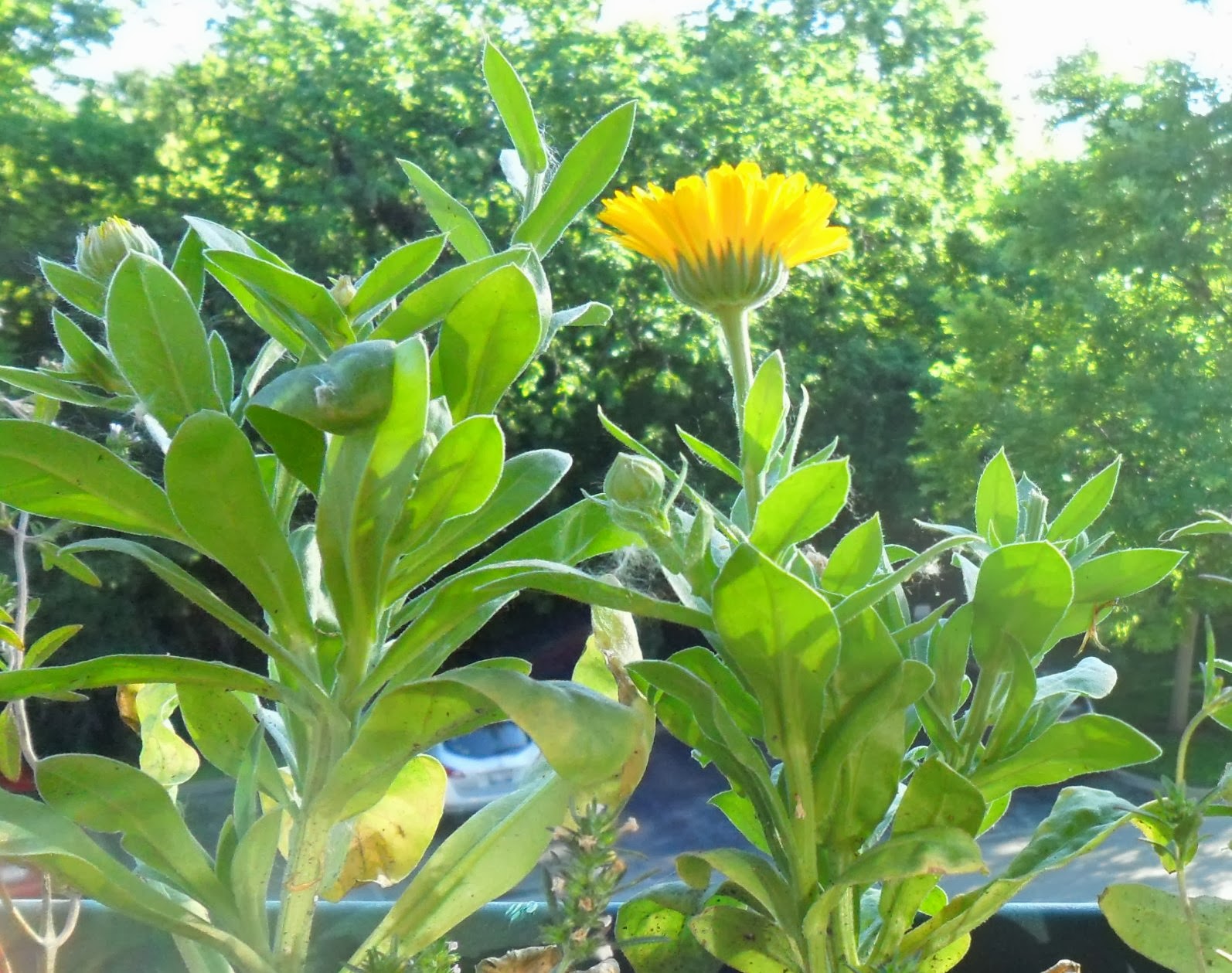
My first choice is calendula, Calendula officinalis. This sunny, easy to grow annual, also called pot marigold, can be used in lotions, balms, ointments, bath teas and facial steams. It prefers full sun, well drained soil and moderate watering. Calendula blooms all summer into fall and gives you lots of volunteer seedlings the next year. Harvest the yellow and orange blooms for a bevy of skin soothing treatments.


Comfrey, Symphytum officinale, is a must for the spa garden. Rich with allantom, a chemical that promotes cell regeneration, the whole plant is used in soaps, lotions, creams and salves. Very soothing to dry, irritated skin. Give it partial shade and a little extra water and it will return yearly.

Chickweed, Stellaria media, is another of my favorite plants. Considered a weed, it is a pretty little groundcover plant covered with white flowers. It is full of vitamins and minerals and is a tasty replacement for spinach in the kitchen. I harvest it throughout the winter where it hides under the snow. It likes to grow where it is cool, shady and wet. Very soothing for dry, irritated skin, I use it in salves, lotions, poultices and bath teas.
 
chickweed
Nettles, Urtica dioica, is a bristly plant full of trace minerals used for its anti-inflammatory effects on allergies, but it has been used for years as a hair tonic. A strong tea of the dried leaves used as a hair rinse will leave your hair soft and glossy. The seeds made into oil and rubbed into the scalp are reputed to prevent baldness. Nettles like to grow on the shady side with extra water. They can spread quickly if you provide the ideal conditions, so keep an eye on them and harvest with gloves.

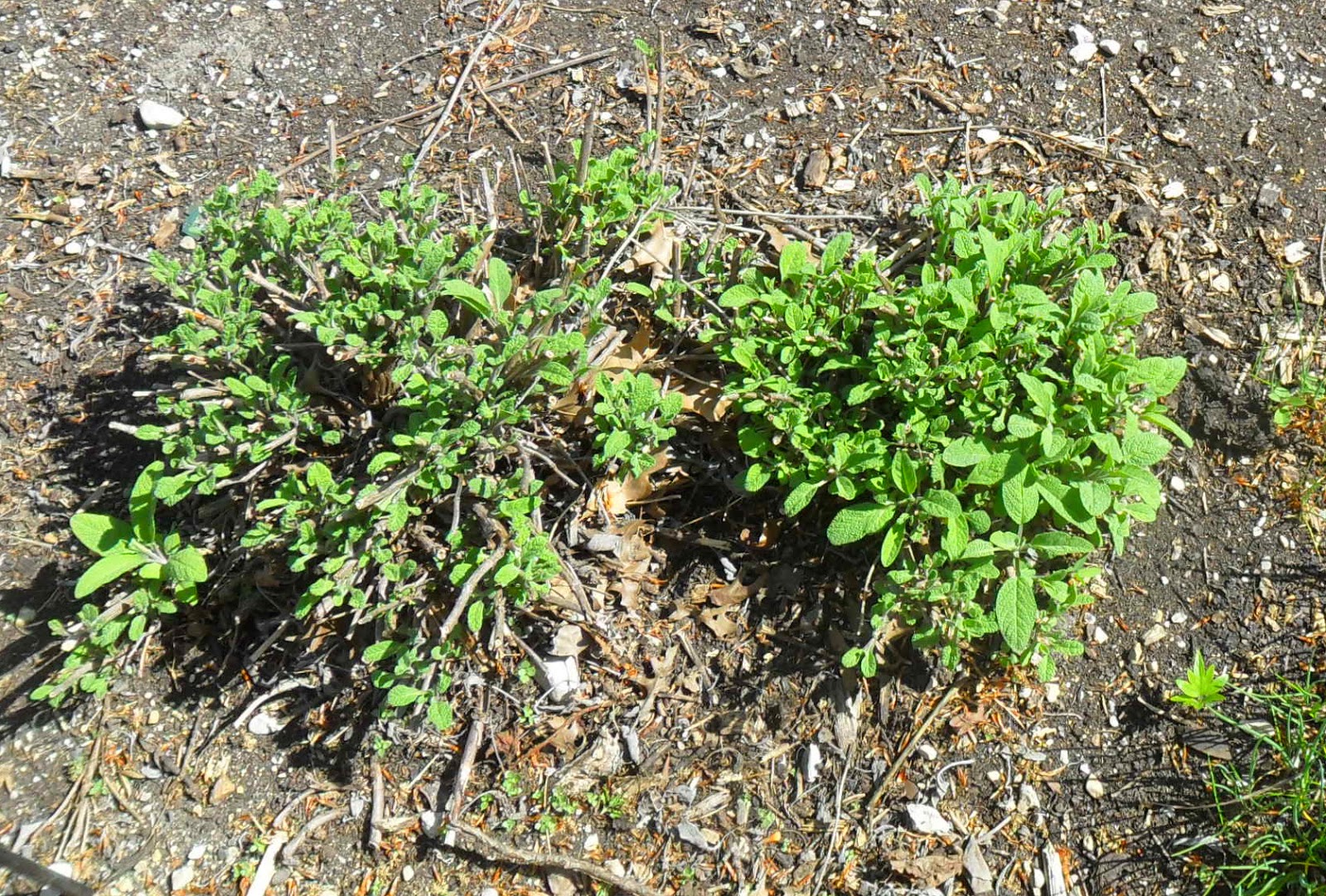
Other herb rinses for hair health include rosemary (Rosmaria officinalis) for removing traces of accumulated hair products, sage (Salvia officinalis) to help darken and condition grey hair, and chamomile (Matricaria recutita) for blond highlights. Grow all three of these herbs in full sun, rosemary and sage like it on the dry side.
 
sage
Roses (Rosa) are a beautiful addition to your spa garden. The petals can be steeped to make rosewater, and combined with glycerin will provide a simple, effective lotion that will moisturize and tone dry, inflamed skin. Try dipping a washcloth into strained, cold, rose petal tea, wring it out and place over red, irritated eyes to relieve and refresh. Give roses full sun and rich soil to keep them happy.

Aloe is renowned for its healing properties. Squeeze the gel from the leaf onto burns, rashes, and irritated skin to provide immediate relief. Aloe likes full sun, little water and needs to be taken inside once it gets cold. They make great houseplants.

Catnip (Nepata cataria) is often discounted as an herb for people, but it is soothing, calming, a light sedative, purifies the blood, relieves colic, works as a digestive aid, and is mild enough for small children.
 
catnip
Lavender, Lavandula officinalis, is very soothing to skin and easy to grow, give it a hot, semi-dry area. I use the leaves and flowers in everything, from skin spritzers, creams and salves to hair rinses. Medicinally, lavender packs quite a punch.  It has antiseptic, anti-bacterial, anti-fungal, anti-inflammatory, anti-convulsive, anti-depressant properties. Lavender benefits stress, anxiety, exhaustion, irritability, headaches, migraines, insomnia, depression, colds, digestion.
 
lavender
Use an elderberry bush for something tall in back of your garden. It will provide you with fragrant flowers to dry and use to tighten pores and clarify skin. Used in a bath it will soothe and moisturize irritated skin. And take internally to avoid illnesses and boost immunity.  Elderberry will grow in sun or part shade and appreciates regular watering.

Some other plants to include are witch hazel, lady's mantle, raspberry, peppermint and lemon balm.

And to get you thinking how to use these herbs.  Here are a few recipes to get you started:

Rose Water
Cover 2 cups of unsprayed, fresh rose petals with 2 cups of boiling water. Steep until cool or overnight, strain and use. Keep leftovers in refrigerator. To make a stronger brew, after straining the first batch, reheat, but don't boil, and pour the rose water over a fresh batch of petals to steep.


Herbal Hair Rinse
1 tablespoon each of dried nettles, rosemary, lavender, dried rose petals and chamomile. Pour 1 cup boiling water over herbs and steep until cooled. After shampooing and conditioning, pour tea over hair and wring out excess. Dry as usual.

Lavender Catnip Honey for Women
Honey can help shed water weight, clear lymph nodes and balance lymph fluid, dry out sinuses, increase circulation, aid in the healing of ulcers, sooth sore throats and coughs, and help reduce allergies (if using for this purpose, make sure you use local honey.

Combine 1 cup honey with 1 Tbls. fresh or dried catnip and 2 Tbls. fresh or dried lavender flowers.  Warm the honey in the microwave or saucepan and allow to steep for 1 to 2 weeks.  Rewarm and strain out the herbs.  Then use in tea, or as an ingredient in lozenges or take off a spoon for a sore throat. 

Lavender Hand Cream
3 tablespoons grated beeswax
½ cup dark sesame oil
1 tablespoon coconut oil
1 teaspoon honey
2 tablespoons spring water
2 to 3 drops lavender essential oil
1/8 teaspoon baking soda

Directions:
Combine all ingredients in a heat-resistant container or double boiler.  Gently heat (do not boil) the mixture in a microwave or on the stove top over medium heat, stirring often, until wax and oils melt completely.  Pour the mixture into a container or jar and allow it to cool.  After it has cooled completely, give it a final stir before capping.  To use, massage the cream into clean hands.

Always make this in small batches as it has no preservatives and you do not want it to go bad before you use it.  I think a 6 to 12 month shelf life is about all you can hope for.


Friday, January 7, 2011

Make your own herb cough drops

This time of year, no matter how I take care of myself the dry air begins to affect my throat.  I teach and lecture and one of the classes I do takes two full days.  As the lecturer I talk for almost all of those two days.  As a result I tend to lose my voice by the end.  I found a perfect item which works to preserve my voice and keep me from being gravel voice on Monday -- herbal cough drops.  I take them not only during the weekend while teaching but also before and after. 
Below are instructions for making herbal cough drops.  Before I move to that, here are some herbs you might want to choose, however, if you have a favorite, don’t be afraid to try it.  These are really just “candy” in disguise.
If you want herbs with expectorant qualities that help loosen phlegm try aniseed (Pimpinella anisum), elderberberry (Sambucus nigra), ginger root (Zingiber officinale), mullein (Verbascum thapsus), osha (Ligusticum porteri) and thyme (Thymus vulgaris).
Soothing herbs include lemon balm (Melissa officinalis), holy basil (Tulsi), scented geranium leaves (Pelegorium)  and mint (Menthe)
All you’ll need to make these is a pot, waxed paper and a greased cooking sheet.
Homemade Herbal Cough Drops
• about 1/8 to 1/4 cup powdered herbs
• 1 cup sugar, or honey
• 1/3 cup light corn syrup, or honey
• 1 1/2 cups water
• Powdered sugar, for easy handling
1. Steep your preferred herbs in 1 1/2 cups of water to make a tea. It is possible to use crumbled herbs instead, just double or triple the amount of herbs and strain the herbs from the tea before adding sugar and syrup.
2. Mix sugar and corn syrup with tea. Cook over low heat, stirring until sugar is dissolved and mixture boils.
3. Continue boiling without stirring until the mixture begins to crystallize; reduce heat. Wash away crystals from the side of your pan with a damp cloth.
4. Remove from the heat after a few minutes. Drop some of the mixture from the tip of a spoon onto a greased surface. Continue making drops until mixture is gone.  Allow to harden and cool completely before removing. Roll the candies in powdered sugar and wrap in waxed paper for storage.
5.  Clean-up is easy because hot water will dissolve the mixture!
Related Posts Plugin for WordPress, Blogger...