Showing posts with label nettle. Show all posts

Wednesday, May 20, 2015

Stinging Nettle - Herb of the Week

Recently I have been in three conversations about the benefits of Stinging Nettle, so I decided that it was time to research it for the herb of the week.

This week's Herb of the Week is Nettle, Stinging (Urtica dioica)


Found all over the world.  It is widespread on wasteland, especially on damp and nutrient-rich soil.  The scientific name comes from the Latin "uro" meaning I burn.  There are compounds in the leaves and sap called formic acid and histamine which cause allergic reactions in some that sting and cause blisters and hives.   Despite this drawback it was a popular plant in several countries.  In Scotland the plant was used to create a linen-like cloth that was used for sheets and tablecloths. It also has a history of magic, being associated with elves marking their dwelling place and as a protection against sorcery.  It was also used to protect milk from house trolls or witches.  In the 1600s it was discovered in New England having been brought over accidentally by early settlers, it became instantly naturalized. The common name stinging nettle is an Anglo-Saxon word for needles.  


To Grow
female flowers

Male flowers
Stinging nettle is the scourge of the gardener and the farmer because the leaves have the ability to cause a burning pain followed quickly by itching.  This is caused by a combination of chemicals in the leaves and hairs on the leaves. A tough spreading perennial, the stem will grow to 5 feet, and the root is much like mint and can spread infinitely.  Hardy to Zone 3, this plant really can grow just about anywhere. The male and female flowers are on separate plants and the plant wind pollinates so its flowers are not showy because there is no need to attract pollinators. The female flowers hang down in clusters, the male flowers stick out.  The color for both is yellowish green and they appear in mid to late summer.  They are actually located at the base of the leaves near the top of the plant. The leaves are dull green, with toothed edges covered on the underside by the stinging hairs.  This is the variety that can be eaten when young.

Nettles can be grown from seed sown in the spring.  But I am sure any one of your friends with a garden would be happy to give you a root.  Divide established roots early in spring before they out on much leaf growth, and the sting is least strong.  Stinging Nettle looks bushy, but it is actually an individual stalk with no branches.  The roots spread underground runners that generate new stalks giving it a bushy appearance.

The plant prefers a rich soil a bit on the moist side, however, it can grow just about anywhere and waste ground, field edgings, by ruins or pretty much in any nitrogen rich soil will support Stinging Nettles.  They are rather plentiful in the wide so in some areas it is not always necessary to grow your own. Be careful when dividing existing plants, as you can feel the plants wrath.

The plants will need to cut back in the summer to keep them from being invasive.  Before frost you want to cut them down hard to the ground.  They are fully hardy and will have no trouble returning in Spring.

To Use

The earliest uses of Stinging Nettle was as cloth.  Archaeologist found nettle fabric in a Bronze Age burial site in Denmark.  It was assumed it had medicinal properties in ancient times as well.  it was believed to be an antidote to other poisonous herbs, like henbane.  Seeds and flowers were used to create a tonic in wine that was taken to combat fevers accompanied by chills. 

Although they do cause some people unpleasant harm (I am one of those people!) Nettles are useful in the garden attracting butterflies and moths and making an excellent caterpillar food. 

A tea crafted from the leaves was combined with a sweetener to make an expectorant.  The tea is said to stimulate the kidneys, rid the body of worms, cure diarrhea, stop internal bleeding, and purify the blood. Nettles are high in vitamin C,which may account for years of using it as a spring tonic. A tea from the leaves has also been used to curdle milk in making cheese. 

Only young leaves of Nettle can be eaten.  Do not eat old plants uncooked.  Young shoots won’t sting and some people have consumed them raw, tossed into a salad.  The greens can be cooked much like kale or spinach.  Once boiled the hairs are rendered harmless. 

However, they should not be eaten in excess as they can produce kidney damage and symptoms of poisoning.  The plants must be cooked thoroughly to be safe.

It is worth the trouble of cooking them to eat, as they are rich in vitamins and minerals.  Whole plants will yield a week greenish, yellow woolen dye. It has a reputation for helping with hair loss and making the hair soft and shiny, as well as eliminating dandruff. 


The herb is considered a boost to other herbs increasing their essential oil.  It was even fed to livestock and chickens to increase the nutritional value of the meat and eggs. It is very high in nitrogen so making a strong nettle compost liquid can be used to fertilize the garden.  You can also compost it thus enriching you compost.  Take a bucketful of nettles, pour rain water over them and let soak for a week.  Strain the liquid and put it in a spray bottle, then spray on aphid infected plants to repel these damaging insects.  You can also pour the liquid into your container plants as a fertilizer.

Recipes

Nettle is an herb used in many different types of preparations, as a result I have suggested recipes using it in the past several times.  Here are a list of other recipes to look at too:

Cough Relief Tea

Herb Remedies for Hair issues

Summer Body Splash


Nettle Soup 

1/2 lb. young nettle leaves
2 ounces oil or butter
1 small onion, chopped
1/2 lb. cooked potatoes, peeled and diced
3 3/4 cups of milk
1 tsp. marjoram, fresh chopped
1 tsp. sage, fresh chopped
1 tsp. lemon thyme, fresh chopped
1/2 tsp. lovage, fresh chopped
2 Tbls. cream
2 Tbls. flat parsley, chopped

Pick only the young nettle leaves, and wear gloves to remove from the stalks and wash them.  Heat the oil in a saucepan, add the chopped onions, slowly sweat them until clear.  Then add the nettles and stew gently for about a further 10 minutes.  Add the chopped potatoes, all the herbs, and milk and simmer for a further 10 minutes.  Allow to cool then put all the ingredients into a food processor and blend.  Return to a saucepan over gentle heat.  Add a swirl of cream to each bowl and sprinkle some chopped parsley over the top.  Serve with French Bread.


Nettle Rinse and Conditioner 

Use this as a final rinse after washing your hair or massage into your scalp and comb through the hair every other day.  Keep it in a small bottle in the refrigerator.

1 big handful of fresh cut nettle stems with leaves
1 pint of water

Wear rubber gloves to cut the fresh nettles.  Wash thoroughly and put the bunch into an enamel saucepan with enough cold water to cover.  Bring to the boil, cover and simmer for 15 minutes.  Strain the liquid into a jug and allow to cool.

Wednesday, April 9, 2014

12 Unique Herbs to Try in 2014 - Herb of the Week


In March 2010 I posted a list of five herbs to try in 2010 if you had not tried them before.  They were:
1.     Mexican oregano  (Lippia graveolens)
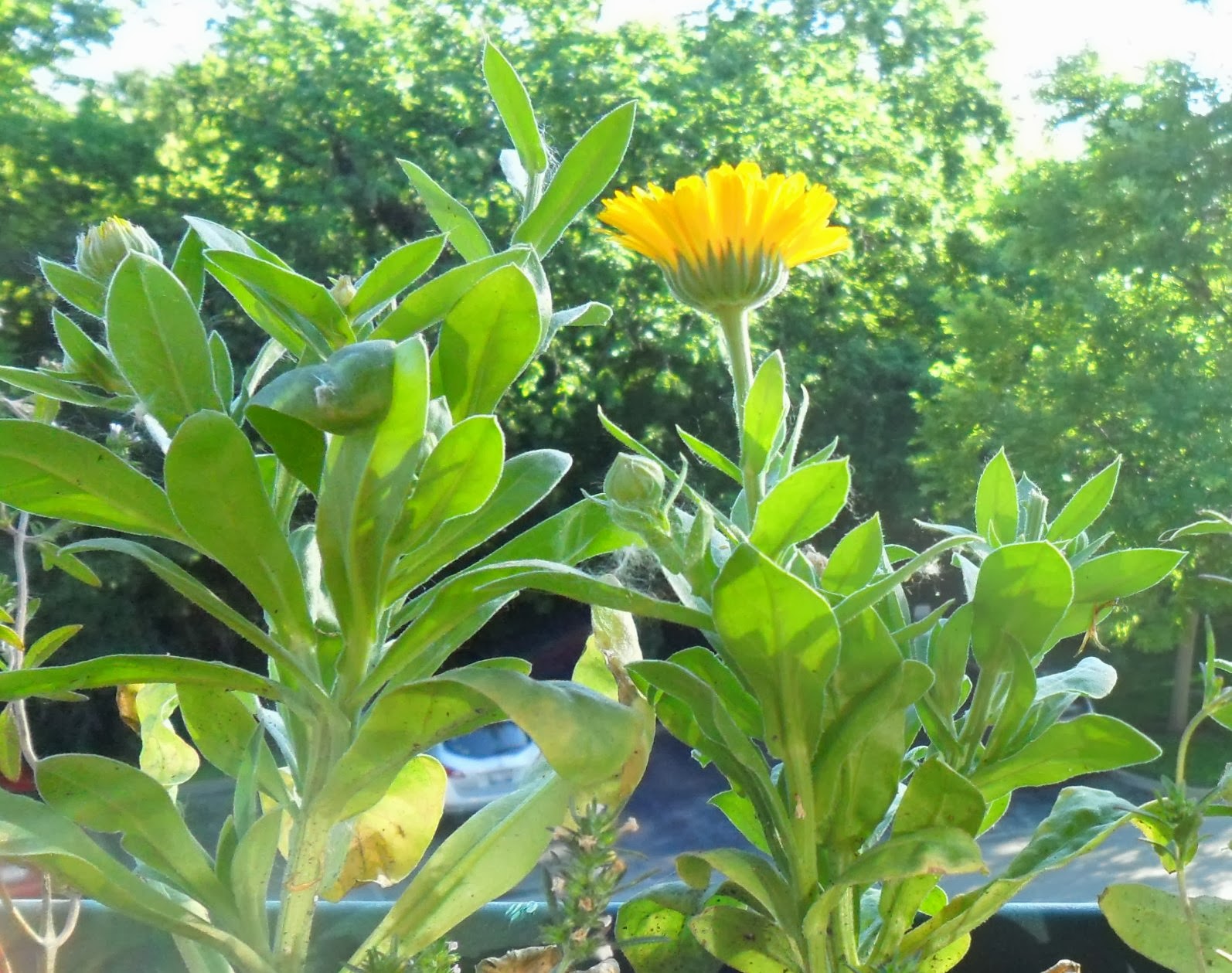
2.     Pot Marigold (Calendula officinalis)
3.     Ezapote (Dyshania ambrosioides)
4.     Purple Ruffled Basil (Ocimum basilicum ‘Purple Ruffles’)
5.     Tri-color Sage (Salvia officinalis ‘tri-color’)
To read the set of blogs on these great herbs visit my original blog on my website.

This year as I was looking for new plants I might want to try around a home, I strayed from the traditional herbs just a bit, but I thought you might enjoy the 12 unique and interesting plants I discovered on this journey.  If I knew of a grower that supplies these plants I have included it.  Some are more commonly available and should be at your local garden center.

#1 Arugula – Roquette (Eruca sativa) -- syn. E. vesicaria subsp. sativa or Brassica eruca L.)

This is actually an “old” herb gaining new life.  It is known by several sceintfic names including Eruca sativa, but also E. vesicaria subsp. sativa or Brassica eruca L. You can obtain the seed from non-hybrid heirloom seed companies and will often find it under the old name Rocket or Roquette rather than the more recently common arugula.  Thanks to the Food Network and other cooking programs it has regained some of its glory as a salad herb and I am happy to see it.  If you like mixed greens this is a great choice. Arugula can usually be harvested as early as 4 weeks after planting from seed.  The leaves of the Arugula plant add a tangy/peppery flavor to any meal and in addition to use in salads can be a green mixed with spinach for a base for saucy dishes instead of noodles, rice or pasta.


#2 Mandarin Twist Pot Marigold

Park Seed Company has a great new Calendula (Pot marigold) variety that I will be trying this year.  It is called Mandarin Twist Pot Marigold.  You can get 50 seeds for 1.95 which is a great price.  This will add a nice splash of color to a green herb landscape and you get all the medicinal benefits as well.  According to Parks, this is a compact but very well-branched and free-flowering variety with double blooms of deep, rich orange. They stand out brilliantly in any setting, and hold well in garden or vase. Blooming all summer and well into fall on easy-care, floriferous plants, these flowers are a joy!  Remember to give these pants room when planting as they can get 10 inches high and will spread to almost that wide.  Great in a container if you do not overcrowd them early in the season.


#3 Passion Flower 

This is a viney plant with the most glorious flowers.  I have been dying to grow it for several years, but it is not the best container plant and I just did not want to put it out in the production garden where I would never see it (I am at the production garden in the dark a lot.)  It is a climber and will work on a trellis along a sunny wall.  The plant has medicinal properties too.   You use the whole aerial portion.  Friends of mine have  tinctured the leaves and young stems, with some tendrils.  The fruit can be saved for tea and other flavorings.  I posted a blog on Passion flower back in April 2011.


#4 Hot lips red flowering sage (Salvia microphylla 'Hot Lips')

This is more of an ornamental salvia rather than a culinary one, but what a great addition to the border or among the perennials. According to Dave’s Garden (an online source I go to for information on hardiness zones and proper names for plants)  the  common name is Autumn Sage scientific name Salvia x jamensis 'Hot Lips' a member of the Lamiaceae family.  However he recognized that a synonym exists calling it  Salvia microphylla 'Hot Lips' (Hot Lips Little-leaf Sage) This was the name I first discovered it under and is usually how it is listed in plant catalogs.

Salvia microphylla 'Hot Lips' originally located near the Chiapas area of Mexico and was introduced by Richard Turner of the Strybing Arboretum in San Francisco, California. This is a very cool looking bi-color salvia bearing red tips and white lips. In the hotter months of summer it may have all red and all white flowers on the same plant due to warmer night temperatures, but when the night temperature drops in the fall the flowers will return to their bi-color state. Great for use in borders and beds.

Considered a wild (yet domesticated) this plant is was supposedly introduced to Richard Turner by his maid, who brought it from her home in Mexico. The fast-growing, 30" tall x 6' wide clump is adorned with stunning bicolor flowers with red tips and white lips...attractive to hummingbirds. When the nights warm in summer, the new flowers are all red with an occasional solid white one. As fall approaches, the flowers again will be bicolored red and white. Even if your school colors aren't red and white, this is truly a "must-have" salvia.  It is hardy in zone 8 to 11, so if you want to grow it in the Midwest, you will need to treat it as an annual (like Pineapple Sage.)

They love a hot, dry spot such as a concrete driveway/sidewalk/or south-facing slope. They can tolerate a bit of moisture, but keeping the soil wet will cause rot.  I found the best price for this plant at Santa Rosa Gardens in California, but I would make sure you talk to them before ordering if you live in the Midwest as a shipping time would be critical.

I have to admit that although I grow black stem peppermint and a fuzzy species of spearmint in my production garden but I have never been a fan of most mint plants, even the flavored ones like Chocolate Mint and Ginger Mint.  However this year I discovered an article by Jim Long discussing mints and discovered a hybridizer named Jim Westerfield from Freeeburg, Illinois (about 5 hours south of me near St. Louis.)   His hybrid mint plants are totally unique and the scents are worth experimenting with.  Here were two I think are worth checking into.

#5 Jim’s Candy Lemon Lime Mint 

A hybrid mint created by Jim Westerfield of Freeburg, Illinois.  This is a cross of lemon and lime mint that is the perfect flavor for me a lover of all things lemon! The leaf margins have a reddish tinge giving them a unique look for a mint. Hardy in zones 4 to 11 it is easy to grow and likes almost any soil. I like anything lemon, so this is at the top of my “to try” list for 2014. 

# 6 Italian Spice Mint 

Another hybrid of Jim Westerfield of Freeburg, IL this mint has hints of oregano and marjoram.  The craftsman says it reminds him of the spicy aroma of the Italian grocery store he worked in as a child.  A savory mint, this can be added to butter, roasted garlic and cream then tossed with angel hair pasta.  It is an excellent pasta seasoning and considered excellent in any Italian dish.  This one looks more like a traditional mint, making it a garden surprise for anyone who touches it as the mint scent is very faint.  Hardy in zones 4 to 11, like all mints it will do well in most soil types.  It does require full sun.

FYI you can get Jim Westerfield’s hybrid mints from http://www.fragrantfields.com/ and www.richters.com

#7 White Anise Hyssop (Agastache Foeniculum ‘snow spike’) 

Outsidepride.com has a has a white Anise hyssop called snow spike that is worth adding to your garden.  Anise Hyssop is a large showy herb with a great scent and wonderful ability to attract pollinators.  Bees, especially bumble bees love it.  I have always grown the traditional blue Anise hyssop, but when I was crafting a moon garden I decided this plant with white flowers would be a great accent in the silver leaf border I was creating.  Check it out yourself!

Agastache Foeniculum 'Snow Spike' has tall flower spikes that are full of white little flowers that bloom at different times. The white Anise Hyssop plant usually reaches 24 inches in height.  The licorice-like scent is soothing and refreshing in tea.  The flowers are very nice for cutting and adding to fresh flower arrangements. Growing Hyssop from seed is easy and rewarding. Anise Hyssop seeds can be directly started outdoors in a prepared seedbed. Press the herb seeds into the soil but do not cover them. The white Hyssop plant is not picky about the soil, but it does prefer to be in full sun to partial shade.

# 8 Nettle

Nettle is an under grown herb.  Although since it can cause contact dermatitis in its natural plant state, I understand why.  However, once cut and dried or cooked the sting is removed and the plant has many medicinal qualities.  The pretty white flowers of Devil's Nettle (Achillea var. m.) make it a pretty addition to an herb garden (avoid this if you have small children in your garden or skin sensitivities.)  I keep my nettle plants in a separate bed so that I am properly suited-up before harvesting.  It likes drier conditions so you can grow it in a rock garden. A tea made from this herb is useful for stomach ailments. The tea is also good for severe colds. Craft the tea by boiling 1 ounce of dried leaves with one pint of water and sweetening with honey. A hardy perennial for zones 5-10 you can easily grow this plant in the Midwest.  You can pick up the seeds for this plant at Seedman.com 

# 9 Sweet Annie (Artemisa annua) 

With the herb of the year being Artemesia, I had to put at least one Artemesia plant in my list.  Sweet Annie is an excellent multi use herb for all gardens. A graceful and sweetly fragrant annual with tall stems 4'-7' tall, with fine bright green ferny foliage. Though most often grown for fresh and dried arrangements and wreath making (it holds color and fragrance very well) it also makes a graceful accent in the back of a flowerbed or a pretty quick screen, especially behind other container plantings. "Sweet Annie" has a wide variety of uses both medicinal and for handcrafting and makes a nice addition to potpourri and sachets.


This is a tall ferny green plant that grows to over seven feet high and four feet wide in one year! Excellent for back borders or any area that you want to give a tropical look and feel. Sweet Annie has thick strong woody stems and branches out like a shrub. The flowers are tiny and olive green and can't really be seen unless you look hard. However Sweet Annie is grown for its foliage and mostly for its lovely aromatic scent which can fill the whole garden when the breeze rustles it branches. It has been used for centuries in its dried form in wreaths and other aroma projects.  Sweet Annie is one of the best natural air fresheners around. Have an aroma you want to get rid of? Just wave a sprig of Sweet Annie in the air and it freshens the whole area with a sweet appealing smell eliminating anything else. Don't use air fresheners with unknown chemical ingredients use a natural herb to do the work for you. The plant dries very well and the will last for years all you have to do is gently move a piece and the aroma bursts forth. It is excellent for use in wreaths and other aroma projects. 

#10 Feverfew (Chrysanthemum parthenium)

This plant is a must for anyone suffering from migraine headaches. It will not cure migraines, but as long as the herb is taken regularly it will keep them from coming back as often. Feverfew inhibits blood clotting and is beneficial for persons with cardiovascular diseases. Take after consulting with a physician. Make a tea by boiling two teaspoons of dried leaves per cup of water and let steep for 15 minutes. This perennial plant hearty in zones 5 to 9 and will grow best in full sun.


I found this plant during my research into good herbs and plants to grow on the farm (we intend to have sheep and I was researching ways that having sheep could benefit my herb garden.)  Pasturing sheep on mint makes a manure that is very good for herbs by the way!  This plant popped up as a protein alternative for range animals.  I use it with my “Prairie Pile.”  I worked many years as a volunteer at a Prairie restoration and as a result I collected seeds (accidentally mostly) on my clothing.  I tossed all these into a compost mound on the corner of my herb garden property and now have an interesting pile of native prairie plants.  I added this one to the pile when I had a chance to get a live plant. 

#11 Wild Bergamot  or Wild Bee Balm (Monarda fistulosa)

This wildflower in the mint family (Lamiaceae) is widespread and abundant as a native plant in much of North America. It is perennial with bright lavender blooms and a spicy scent. Used by Native Americans to soothe bronchial complaints and ease colds.  Bees love it and are attracted to it.  It is an herbaceous perennial that grows from slender creeping rhizomes, thus commonly occurring in large clumps. The plants are typically up to 3 ft tall, with a few erect branches. Its leaves are about 2-3 in long, lance-shaped, and toothed. Its compact purple flower clusters are solitary at the ends of branches. Each cluster is about 1.5 in (4 cm) long, containing about 20–50 flowers. The light purple color of the flowers is a great foil to the traditional Bergamot which is deep red. Wild bergamot often grows in rich soils in dry fields, thickets, and clearings, usually on limy soil. The plants generally flower from June to September.

Monarda fistulosa ranges from Quebec to the Northwest Territories and British Columbia, south to Georgia and Texas.  My interest in it started because it is considered a medicinal plant by many Native Americans including the Menominee, the Ojibwe, and the Winnebago (Ho-Chunk). It was used most commonly to treat colds, and was frequently made into a tea.  Native who grow medicinal plants do rely on it  during the cold and flu season. The tea may be sweetened with honey, as it tends to be quite strong.

#12 Italian Everlasting  or Curry Plant (Helichrysum italicum) 

As the name suggests, the narrow, silvery-grey leaves of this splendid, dense, dwarf sub-shrub, growing to 2 feet tall by 3 feet wide, smell strongly of curry. 

Though the leaves are edible, it is really not used for cooking, rather for its ornamental appeal and the essential oil derived from the plant.   An easy to care for perennial that prefers poor soil and will thrive in rock gardens and xeriscapes. It is hardy only to zone 8 but is not considered  frost tender, so I think one could grow it in a container or a sheltered place and have it last well into the fall, but I would still treat it as an annual.  It features clusters of yellow blooms in Summer  that retain their color after picking and are used in dried flower arrangements.  The plant is the source for the famous Helichrysum Essential Oil. The plant produces an oil from its blossoms which are used for medicinal purposes. It is anti-inflammatory, fungicidal, and astringent. It soothes burns and raw chapped skin. It is used as a fixative in perfumes and has an intense fragrance.

Bonus Plant –

Illinois Bundle flower (Desmanthus illinoensis) Another good drought tolerant plant (can you tell I have not had the rain I wanted the last two growing seasons!?) This one prospers in meadows, roadsides, and tall grass prairie plantings. It produces fruit in the form of dark-brown clusters of pods. Due to it being high in protein, it is readily eaten by livestock and wildlife. Fixes high amounts of nitrogen in the soil and can rejuvenate worn-out soil. It also attracts bees, butterflies and birds.

Illinois bundleflower is rated by some authorities as our most important native legume and is included in range revegetation programs since the species is readily eaten by livestock. The seeds contain 38 percent protein on a dry weight basis, which compares favorably with soybeans.  Seeds are desirable for wild birds. The plant is considered a nutritious and palatable browse for wildlife.  Pawnee Indians used leaf tea as wash for itching. Hopi used seeds placed in eye for conjunctivitis.  A perennial growing to 3-6 ft. tall with cream colored flowers. Hardy to zone 5 this plant has fern-like foliage. To reduce moisture loss, the compound leaves fold together at night, and they close partially during hot sunny days During the morning and evening, when sunlight is less intense, the compound leaves orient themselves in the direction of the sun in order to maximize the reception of its light. 

You can get quality seed for this plant from Prairie Moon Nursery located in southwest Minnesota. They specialize in Prairie plants of the Midwest and originated here in Illinois!


Monday, February 10, 2014

Planting a Spa Garden - Designing Theme Gardens #2

January gave me great weather for herb garden designing.  It has been too cold or snowy to do anything else.  I have been repeatedly trapped in my apartment with nowhere to go and a book shelf full of books on landscaping, flowers and herbs.

Since this year we plan to get back into a house and I can actually have a pretty garden in addition to my production garden, I am pondering, scheming and planning.  I thought I would share some of the garden ideas I have pulled together.

Today I have for you a garden filled with herbs that can be used to craft personal Spa items. What could be better than a garden planned around plants that can be used to make luxurious, pampering potions for the bath and body? So many herbs make wonderful contributions to health and beauty, why not put them all in one place for easy access? Here are a few of my favorites that not only look great in the garden but will provide you with pure and effective spa treatments.

My first choice is calendula, Calendula officinalis. This sunny, easy to grow annual, also called pot marigold, can be used in lotions, balms, ointments, bath teas and facial steams. It prefers full sun, well drained soil and moderate watering. Calendula blooms all summer into fall and gives you lots of volunteer seedlings the next year. Harvest the yellow and orange blooms for a bevy of skin soothing treatments.


Comfrey, Symphytum officinale, is a must for the spa garden. Rich with allantom, a chemical that promotes cell regeneration, the whole plant is used in soaps, lotions, creams and salves. Very soothing to dry, irritated skin. Give it partial shade and a little extra water and it will return yearly.

Chickweed, Stellaria media, is another of my favorite plants. Considered a weed, it is a pretty little groundcover plant covered with white flowers. It is full of vitamins and minerals and is a tasty replacement for spinach in the kitchen. I harvest it throughout the winter where it hides under the snow. It likes to grow where it is cool, shady and wet. Very soothing for dry, irritated skin, I use it in salves, lotions, poultices and bath teas.
 
chickweed
Nettles, Urtica dioica, is a bristly plant full of trace minerals used for its anti-inflammatory effects on allergies, but it has been used for years as a hair tonic. A strong tea of the dried leaves used as a hair rinse will leave your hair soft and glossy. The seeds made into oil and rubbed into the scalp are reputed to prevent baldness. Nettles like to grow on the shady side with extra water. They can spread quickly if you provide the ideal conditions, so keep an eye on them and harvest with gloves.

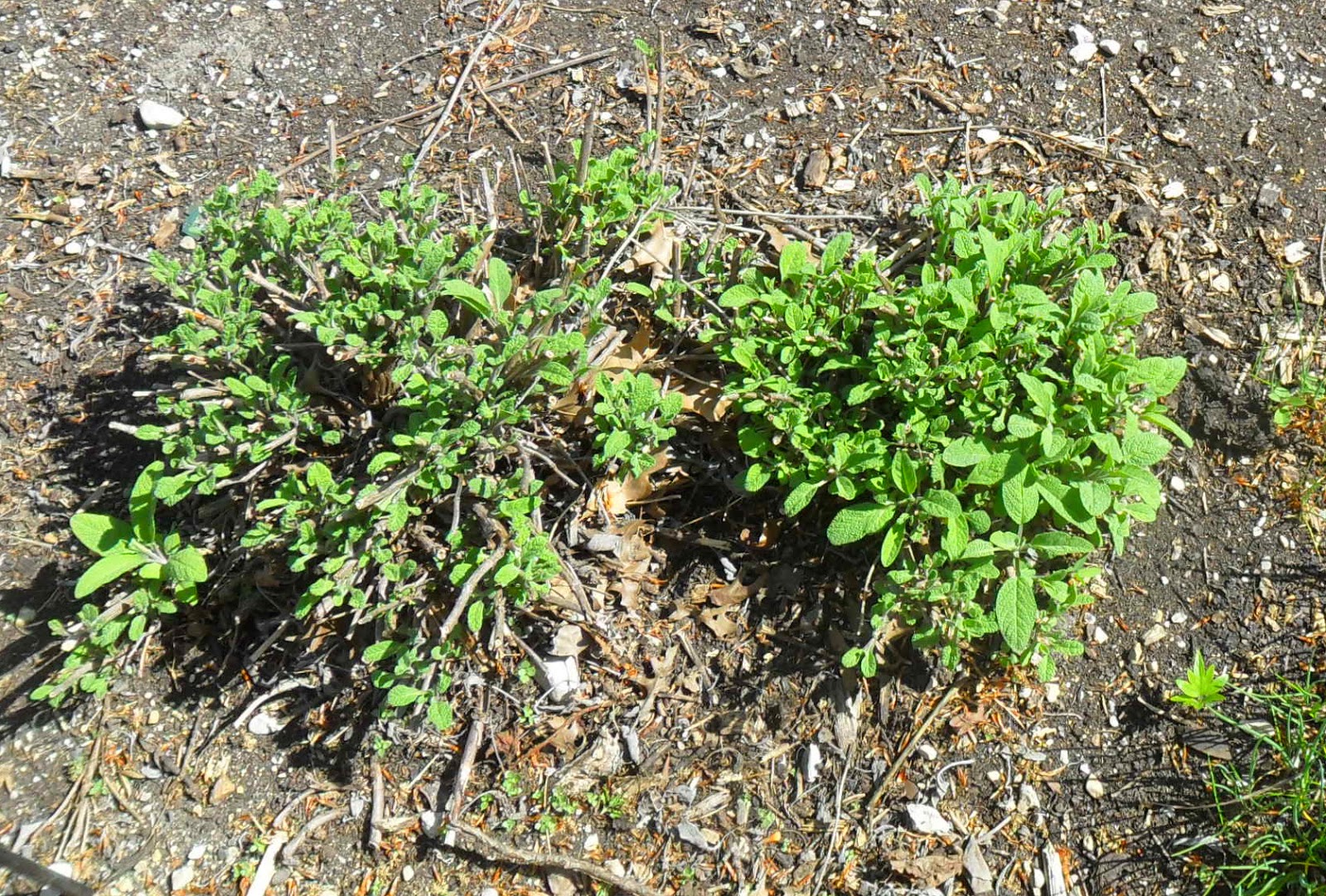
Other herb rinses for hair health include rosemary (Rosmaria officinalis) for removing traces of accumulated hair products, sage (Salvia officinalis) to help darken and condition grey hair, and chamomile (Matricaria recutita) for blond highlights. Grow all three of these herbs in full sun, rosemary and sage like it on the dry side.

 
sage
Roses (Rosa) are a beautiful addition to your spa garden. The petals can be steeped to make rosewater, and combined with glycerin will provide a simple, effective lotion that will moisturize and tone dry, inflamed skin. Try dipping a washcloth into strained, cold, rose petal tea, wring it out and place over red, irritated eyes to relieve and refresh. Give roses full sun and rich soil to keep them happy.

Aloe is renowned for its healing properties. Squeeze the gel from the leaf onto burns, rashes, and irritated skin to provide immediate relief. Aloe likes full sun, little water and needs to be taken inside once it gets cold. They make great houseplants.

Catnip (Nepata cataria) is often discounted as an herb for people, but it is soothing, calming, a light sedative, purifies the blood, relieves colic, works as a digestive aid, and is mild enough for small children.
 
catnip
Lavender, Lavandula officinalis, is very soothing to skin and easy to grow, give it a hot, semi-dry area. I use the leaves and flowers in everything, from skin spritzers, creams and salves to hair rinses. Medicinally, lavender packs quite a punch.  It has antiseptic, anti-bacterial, anti-fungal, anti-inflammatory, anti-convulsive, anti-depressant properties. Lavender benefits stress, anxiety, exhaustion, irritability, headaches, migraines, insomnia, depression, colds, digestion.
 
lavender
Use an elderberry bush for something tall in back of your garden. It will provide you with fragrant flowers to dry and use to tighten pores and clarify skin. Used in a bath it will soothe and moisturize irritated skin. And take internally to avoid illnesses and boost immunity.  Elderberry will grow in sun or part shade and appreciates regular watering.

Some other plants to include are witch hazel, lady's mantle, raspberry, peppermint and lemon balm.

And to get you thinking how to use these herbs.  Here are a few recipes to get you started:

Rose Water
Cover 2 cups of unsprayed, fresh rose petals with 2 cups of boiling water. Steep until cool or overnight, strain and use. Keep leftovers in refrigerator. To make a stronger brew, after straining the first batch, reheat, but don't boil, and pour the rose water over a fresh batch of petals to steep.


Herbal Hair Rinse
1 tablespoon each of dried nettles, rosemary, lavender, dried rose petals and chamomile. Pour 1 cup boiling water over herbs and steep until cooled. After shampooing and conditioning, pour tea over hair and wring out excess. Dry as usual.

Lavender Catnip Honey for Women
Honey can help shed water weight, clear lymph nodes and balance lymph fluid, dry out sinuses, increase circulation, aid in the healing of ulcers, sooth sore throats and coughs, and help reduce allergies (if using for this purpose, make sure you use local honey.

Combine 1 cup honey with 1 Tbls. fresh or dried catnip and 2 Tbls. fresh or dried lavender flowers.  Warm the honey in the microwave or saucepan and allow to steep for 1 to 2 weeks.  Rewarm and strain out the herbs.  Then use in tea, or as an ingredient in lozenges or take off a spoon for a sore throat. 

Lavender Hand Cream
3 tablespoons grated beeswax
½ cup dark sesame oil
1 tablespoon coconut oil
1 teaspoon honey
2 tablespoons spring water
2 to 3 drops lavender essential oil
1/8 teaspoon baking soda

Directions:
Combine all ingredients in a heat-resistant container or double boiler.  Gently heat (do not boil) the mixture in a microwave or on the stove top over medium heat, stirring often, until wax and oils melt completely.  Pour the mixture into a container or jar and allow it to cool.  After it has cooled completely, give it a final stir before capping.  To use, massage the cream into clean hands.

Always make this in small batches as it has no preservatives and you do not want it to go bad before you use it.  I think a 6 to 12 month shelf life is about all you can hope for.


Saturday, November 16, 2013

Cough Relief Herbal Tea - Weekend Recipe


Coughs are very common in the winter months.  A cough remedy or cough drop is always a good idea, but in a hurry a cough relief tea is also quick and easy.  You can blend up this recipe of cough relief herbs way in advance and use just 3 tsp. per cup of hot water.  Allow the tea to steep for 5 to 7 minutes.  Drink this tea as often as needed.


This blend makes a strong tea to help relieve your cough as well as make coughs more productive to rid the body of toxins and heal quicker.  This recipe will make 5 1/2 cups which should be enough to get you through the winter.   Enjoy!


Cough Relief Herbal Blend

1/2 cup each:
Red Clover Blossoms
Horehound
Mullein Leaf
Nettle Leaf
Echinacea Purpurea Leaf
Marshmallow Root

1/4 cup each:
Thyme
White Pine Bark
Elecampane Root
Echinacea Purpurea Root
Wild Cherry Bark
Licorice Root

1 cup:
Peppermint Leaf

Combine and store in an air tight container.

Saturday, March 17, 2012

Irish Herb Lore for St. Patrick's Day

Nearly every country and culture has its own herb lore – native plants that that were long believed to promote good health, and even good luck, to those who ate, drank, or carried them. My family and especially the family of my husband are both German and Irish.  In celebration of my husbands Patron Saint, St. Patrick, I thought today would be a great day to focus on special herbs of Ireland.
Ireland has a wealth of herbal lore passed on by local healers.  Unlike much of Europe that turned away from herbal remedies and healing methods with the start of the Industrial Age, Ireland held onto those herbal traditions.  So here is a quick look at some herbal remedies passed down by the “fairy doctors” of old Éire.
Herbs of Ireland
Comfrey Root: Used for healing minor cuts, scrapes, and burns, battling inflammation from diaper rash, varicose veins, and arthritis, and reducing swelling from bruises, sprains, or pulled muscles.

Dandelion Leaves: Used externally on wounds as an antibacterial, and to remove corns and warts. Used internally to promote healthy kidneys, prevent gallstones, fight jaundice, ease constipation, and soothe edema, joint pain, gout, eczema, and acne.

Eyebright: A solution of eyebright was used as an eyewash or compress to reduce inflammation from conjunctivitis, eyestrain, styes, and general eye irritation. It was also taken internally for allergies, bronchitis, colds, and sinus infections.

Feverfew: Used as a remedy for headaches, arthritis, fevers, skin conditions, stomach aches, and asthma. Also used to promote more regular menstrual cycles and ease childbirth.

Garlic (wild): Used to soothe coughs, asthma, and shortness of breath.

Horehound: Used as a cough expectorant and mild laxative, and to bring on menstruation.

Marshmallow Leaves: Used in dressings to soothe sprains and swelling.

Meadowsweet: Used to treat arthritis pain. (Contains salicylic acid, which is chemically similar to an active ingredient in aspirin).

Mullein
Mullein: Used as a decongestant and expectorant for respiratory illnesses. Also used to soothe sore throats, treat diarrhea, and cure earaches.

Nettles: Used to treat rashes, eczema, arthritis, gout, and diarrhea. [unless your allergic!]

Sphagnum Moss: Used to dress wounds.

Vervain: Used to promote a healthy liver, fight fatigue, reduce fever, prevent insomnia, soothe asthma, and promote more regular menstrual cycles.

Willow Bark: Used to treat arthritis pain. (Contains salicylic acid, which is chemically similar to an active ingredient in aspirin).

Yarrow: Used to reduce bleeding in wounds, ulcers, hemorrhoids, etc. Also used to reduce inflammation and treat aches and pains. (Contains salicylic acid, which is chemically similar to an active ingredient in aspirin).
Related Posts Plugin for WordPress, Blogger...