Showing posts with label herb of the week. Show all posts

Saturday, August 31, 2024

Hops - Herb of the week


Herb of the week posts are the hardest for me to write.  They take time and energy that during the growing season I do not always have.  This year the herb harvest has been good, the plants are lush and the weeds are fierce. And I am slowing down.  I turn 60 this year.  I great milestone.  It coinsides with Backyard Patch Herbs turning 30, also a giant milestone.

I remember wanting to grow hops when I first started and being very unsuccessful.  Ir was not until we moved to Villa Park, Illinois that I was able to construct the right growing trellis (well Chas built that, not me) and nurtured some wonderful canes into this great hops arbor.  But Covid hit and I had to move and leave it behind.  But I did gather one last havest before we departed.


We thought the new place would be a quick stop over, so we did not plant hops here, but I think I should have becasue it has been a longer stay. However Lombard has a wonderful Farmer's Market and we have been participating weekly for three years now (Tuesday 3 to 7 PM on Park Ave, downtown, for those in the area.) The Tuesday Market falls on my birthday, so so we will be celebrating by giving away samples of Dill Dip -- the first mix I ever created and gave away which started my business 30 years ago.  We are also giving Dill Dip samples with every online purchase through the end of the year.

Now back to the hops, why grow them.what we use them for:

Herb of the Week - Hops - Humulus Lupulus

Hops are a green cone shape flower (inflorescence) of the plant.  It is a climbing perrenial with interesting characteristics.  Inside each cone are tiny yellow pods or glands called lupulin,  These lupilin are the source of flavor, bitterness and aroma in beer, even though the hops themseves contain no alcohol. The name Hops comes from the Anglo-Saxon term "hoppan," which means to climb.

TO GROW

Hops is an herbaceous perrenial, producing annual vines from overwintering root stock. Meaning the vines die back in the winter and start over from wood cane in the spring.  These vines grow papidly winding around supports in a clockwise direction with strong hooked hairs to cling on.  By the end of june they will reach maximum length of 15 to 25 feet.  Then after the soltice they make side arms to bear flowers. Only femail plants develope flowers, but seeds are heterogeneous with plants emerging from both male and female.  The first year the plant produces little growth, but the second year should be a normal crop.

Hops need abundant sun light, 15 or more hours so it cannot grow in a semi shaded area, if it is shaded before mid June.  That was why the center of the yard was perfect for it, by the time the trees filled in it was well into late june.  It also needs 120 frost free days with a maiost spring.  Sandy loam soil with a neutral pH is ideal.  Weed around the canes regularly and water if it is not raining regularly.


Plant the canes in a hill of two rhizomes per hill spaced 3 feet apart.  We put two hills one at each trellis post.  Once the canes are a foot tall start training them onto the standard. Then just let them grow and do their thing and they will gradually cover the trellis.  Without a trellis your hops will not be very successful, trust me on this.


TO HARVEST

Harvest time is mid August to Mid September depending on how the hops mature.  To determine ripeness pick a cone and touch and smell.  If it is too green, it feels slightly damp with softness to the scales.  A dry cones is a bit more papery and light.  It will feel dryer and you will smell the scent on your hands.  The cone will feel a bit sticky.

Harvest cones by hand standing under the trellis, or cut the canes 3 to 4 feet above the ground and lay on the ground and pick the cones.  Then use the cut canes as mulch after chopping them up once harvested. Wear long sleeves and gloves as the hooked hairs on the plant can cause a rash.

Drying hops can be done in trays or a dehydrator.  My favorite is to spread them in ball mason jar trays or box lids from Aldi.  Once fully dry (no longer sticky) they will feel springy and the yellow lupulin powder easily falls out, you can store them in plastic bags or jars.  Press the air out of the bags and keep int he dark for long term storage.  The daylight will fade the hops.

close up of hops on vine

Hops ready to harvest


USING HOPS

Thier use in beer is not only as a flavoring, they also keep beer fresher longer and help it retian a head of foam.  The aroma of beer comes mostly from the hops.  Medicinally hops are a treatment for anxiety, sleep disporders, restlessness, symptoms of menopause.  It is known that some chemicals in hops seem to act similarly to the hormone estrogen and can cause sleepiness, but there are no large scale sicentific studies to support these notions.

We use hops in our sleep and relaxation sachets as well as key ingredient in our menopause tea.


RECIPES

Honey Ginger Ale Recipe

Ginger adds a delicious and spicy kick to this soda, and the honey contributes a sweet taste that is richer than refined sugar. Makes 1 gallon.

1 gallon water
1 cup honey
2 lemons
1 cup loosely packed hops flowers (optional)
2 pieces of ginger, thumb-sized
1/2 teaspoon ale or champagne yeast

Directions:

Combine water, honey and hops in a stockpot. Add the juice from the two lemons and bring to a boil. Grate ginger and add to the pot. Simmer for 30 minutes. Allow to cool and then add the yeast. Let the soda stand at room temperature for 24 hours, then use a funnel and strainer to pour the soda into bottles. Leave 1 to 2 inches of empty space at the top of the bottle and attach the bottle caps. Write the date on the bottles and store them in a warm, draft-free place, ideally at room temperature, for an additional 24 hours. Then refrigerate. For best results, leave the bottles in the refrigerator an additional day or two before drinking.

Herbal Hair Rince with Hops

Herbs and herbal infusions have been used for centuries to naturally soften hair, increase manageability, and restore luster, body, and bounce.  Humulus lupulus helps heal and repair damaged hair. The hops flowers contain a nourishing oil that is an effective hair conditioner and thickener. Hops help stimulate scalp circulation and encourage growth. Its antiseptic properties help with dandruff. Especially good for scalp conditions and hair loss/thinning.

Directions:

Pour 2 cups of boiling water over 3 or more tablespoons of herbs.  Steep for at least 30 minutes covered Strain herbs from the tea and let it cool.

TO USE: The rinse should be room temperature before using--never pour hot tea in your hair. As you slowly pour the tea over your wet head, massage the infusion into your hair and scalp. Keep a large bowl under your head to catch the liquid and reapply several times. Let it sit a few minutes. Gently rinse with cool water or, for extra conditioning benefits, just leave it in and towel dry hair.          


Wednesday, July 26, 2023

Exploring the Rich Diversity of 6 Varieties of Oregano

Today, we dive into the captivating world of oregano, a flavorful and versatile herb that has charmed gardeners and chefs alike for centuries. With its enticing aroma and culinary prowess, oregano has secured its place as a must-have ingredient in kitchens around the globe.

In this blog post, I will introduce you to six delightful varieties of oregano and provide you with all the essential details on how to cultivate this herbaceous gem in your own garden. Let's embark on this flavorful journey together!

Greek Oregano (Origanum vulgare subsp. hirtum):

Greek oregano, also known as wild marjoram, is a classic and widely recognized variety. It boasts a robust flavor and aroma, making it a staple in Mediterranean cuisine. Greek oregano thrives in full sun and well-drained soil, and it appreciates a slightly alkaline pH. This hardy variety is known for its ability to withstand heat, drought, and poor soil conditions, making it suitable for various gardening environments.

Italian Oregano (Origanum x majoricum):

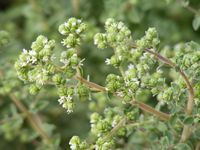
Renowned for its mild and sweet flavor, Italian oregano is a popular choice among chefs and home cooks. It features larger leaves and a milder aroma compared to Greek oregano. Italian oregano prefers full sun and well-drained soil with a neutral to slightly alkaline pH. It grows well in containers, herb gardens, or as a border plant, adding a touch of elegance to your outdoor space.


Mexican Oregano (Lippia graveolens):

Adding a touch of vibrant spice to your culinary creations, Mexican oregano is not botanically related to the Mediterranean varieties but shares a similar flavor profile. It offers a hint of citrus and mild heat, making it a perfect complement to Mexican, Tex-Mex, and Latin American dishes. Mexican oregano prefers full sun to partial shade and well-drained soil. This variety is quite drought-tolerant and can withstand hot and dry conditions.

Cuban Oregano (Plectranthus amboinicus):

Cuban oregano, also known as Spanish thyme or Mexican mint, is a versatile herb with a distinctive flavor and aroma. While not a true oregano, it is a member of the mint family. It features broad, succulent leaves and an intense fragrance reminiscent of thyme and oregano. Cuban oregano thrives in full sun or partial shade and well-drained soil. It is easy to grow and can even be cultivated as a houseplant or in hanging baskets.

Golden Oregano (Origanum vulgare 'Aureum'):

For a touch of visual delight in your herb garden, consider golden oregano. This variety boasts striking golden-yellow foliage that adds a pop of color to your landscape. Golden oregano prefers full sun to partial shade and well-drained soil. It provides the same aromatic flavor as other oregano varieties, making it an excellent choice for both culinary and ornamental purposes.


Cultivation Tips

To successfully cultivate oregano, regardless of the variety, here are some essential tips to keep in mind:

Location and Sunlight: Oregano thrives in full sun, although some varieties tolerate partial shade. Select a well-drained spot in your garden or use containers if space is limited.

Soil: Oregano prefers well-drained soil with a neutral to slightly alkaline pH. Amend heavy or clay soil with organic matter to improve drainage.

Watering: Oregano is drought-tolerant once established. Water it deeply but infrequently, allowing the soil to dry out between waterings. Avoid overwatering, as oregano is susceptible to root rot.

Pruning: Regular pruning helps maintain the shape and vigor of oregano plants. Trim after flowering or during spring to encourage bushier growth and prevent legginess.

Harvesting: Begin harvesting oregano leaves when the plants are well-established. Harvest in the morning, after the dew has evaporated but before the sun becomes too hot. Cut sprigs from the top of the plant, leaving enough foliage for it to continue growing.

Remember, oregano thrives in well-drained soil, ample sunlight, and proper watering practices. With a little care and attention, you can cultivate this versatile herb in your own garden, allowing you to infuse your dishes with the vibrant essence of the Mediterranean, the Middle East, Mexico, or even your own unique blend.

So, whether you're crafting a Greek salad, preparing a tantalizing pizza, or experimenting with fusion cuisine, let the diverse world of oregano be your guide, and savor the delicious results!


Wednesday, April 17, 2019

Cinnamon Basil Mini Herb of the Week Post

We did a detailed post on Cinnamon Basil back in 2013, however since that time I have discovered a number of new ideas for using it, so I thought I would share that as a Mini Herb of the Week.


Cinnamon Basil has lovely purple edges and purple stems making it a joy to have in the garden from a visual stand point, then you have the cinnamon scent and this is just a bonus.  The subtle cinnamon flavor with a hint of basil goes with both sweet and savory dishes.


Cinnamon Basil Apple Spread

8 ounce package cream cheese
2/3 cup apple, peeled and finely diced
1 tablespoon powdered sugar
1 tablespoon milk
1 tsp. cinnamon basil, dried and crumbled

Combine all ingredients in food processor or blender. Process until mixed, scraping down sides. Makes 1 1/2 cups.


Got this recipe from the mystery book Indigo Dying, by Susan Wittig Albert. You can use it as a syrup on French toast or pancakes or even waffles, but it is also great in tea, especially Chai.


Cinnamon Basil Honey

1 cup honey
2" cinnamon stick, broken into several pieces
1/8 teaspoon cloves
1 tablespoon brandy
3 sprigs cinnamon basil

In a saucepan, gently heat together honey, spices and brandy. Put the basil sprigs into a sterilized jar and pour the hot honey mixture over it. Cover and allow the flavor to mellow for about a week. 


Cinnamon Ginger Body Scrub

1 cup sugar

1/2 tsp ground ginger

1 tsp dried cinnamon basil, crumbled

1 cup olive oil (almond oil works well too) 

Directions

In a bowl, combine the sugar, ginger, cinnamon basil and oil. Mix vigorously with a fork until fully combined. Let the mixture sit until the sugar has settled to the bottom of the bowl (about an hour). There should be a thin layer of oil covering the mixture. If you need to add more oil, do it now.

Scoop the mixture into an airtight container. Make sure that the containers you choose seal completely, so the mixture doesn’t dry up.

Directions to Use the scrub: While in the shower or at the sink, apply the scrub to damp skin and scrub gently. Rinse with warm water.

Wednesday, August 8, 2018

Three Herbs to Cool down your over-heated self - Herbs of the Week


There are herbs (of course there are herbs) to help you get through the long, sticky days of August with your cool head intact.

1. Sage (Salvia officinalis):


Sage is a mint family member. That may sound surprising, but actually most herbs are, in some way, connected to this very large plant family. Here’s the crazy thing about sage: as a hot tea, it induces sweating. As a cold tea, though, it eases sweating. Try both hot and cold and see what your body likes. We make a rose iced tea with sage and most people were surprised we included it until they enjoyed the effects.

Sage is also good for the nervous system when it’s been aggravated by heat — you know, all those hot tempers that flare up in August? Other heat conditions can arise, of course, aside from summer heat. Menopause is one good example. Sage is really wonderful for this transition, easing the heat and dryness in the body. Try a cool tea laced with honey (which, as a demulcent, draws moisture to the body) to ease any discomfort.

2. Elder (Sambucus nigra, Sambucus canadensis):


You may be familiar with the elderberry’s use as a cold/flu/cough remedy, but the flowers are also used herbally, especially when trying to reduce heat. Elder is a cooling, drying herb, especially when it’s the dried flowers used in an infusion or tincture.

The reason elder is so good with colds, the flu, and heat in general can be attributed to its diaphoretic effect, which means the herb allows fluid to move easily in the body, opening pores and cleaning everything out. Elder flower tisane or tincture made from dried flowers is especially effective if you suffer from habitually dry, irritated, or flushed skin. Elder improves circulation throughout the body, opening the lungs, blood vessels, capillaries, kidneys, skin — anything that moves fluid along.

There are no dangers or contraindications associated with elder flowers, so brew away.  Elderflowers turn into elderberries this time of year.  Be careful as overconsumption of elderberries can potentially cause digestive upset, but this usually isn’t much of a danger if they are dried or cooked first. Never use the bark internally, or any raw berries or leaves.

3. Yarrow (Achillea millefolium):


Yarrow is one of my absolute favorite herbs, perhaps because it's one of the true traditional medicinal herbs of the New World.  Native Americans knew its worth and shared it with us.  The plant has a long, well-documented history. It grows almost everywhere, which makes it a truly local food.  I just realized I have never done an herb of the week just on Yarrow!  (I will fix that soon!)

Yarrow regulates the fluids in the body, cooling or heating as needed by moving blood toward, or away, from the skin’s surface. This makes it a good herb for my Rosacea which might contribute to it being a favorite of mine.  I also love the bold yellow color and the fact that dried it keeps that color and shape making using it in winter arrangements fun and interesting.

To take yarrow, brew up a warm cup of tea to open the pores of the skin and to release heat; a cold brew will stimulate digestion and the kidneys, relieving fluid retention. You can also use yarrow topically on wounds and bruises — another common summer occurrence.

NOTE: It’s best to avoid yarrow while pregnant. Also, it is possible to have a yarrow allergy, so if you suffer from a ragweed allergy, start with small doses and see how you feel. It's best to avoid this herb if you’re on anticoagulants or suffer from bradycardia.

No matter how you choose to beat the heat this summer, herbs are a fantastic addition to your summer wellness routine. Not a fan of iced tea? Brew up and cool a sage tisane (tea) and mix it with some lemonade. Trust me: it’s fantastic. Any of these herbs can be seamlessly combined in any number of summer drinks, smoothies, or sodas. And remember, when you’re using herbs as remedies, it's best to let them steep 5-10 minutes and use 2-3 tsp per 8 ounces of water (although you can adjust either of these recommendations to your personal taste).

Enjoy the rest of your summer with enjoyment and a cool head.

Wednesday, July 18, 2018

Curry Plant - Herb of the Week


Curry plant is a curious and interesting little herb that may not be in the top five or ten choices on your herb wish list but definitely deserves your consideration.


Helichrysum italicum or curry plant the Herb of the Week

This tender perennial will grow well outdoors, it does best in U.S. zones 8 to 11. It can't tolerate a hard frost so grow as an annual above zone 8. It prefers soil that drains well, full sun and warm conditions. It's a perfect choice for intermittent drought prone areas or for a xeriscaped (low water) garden. If you have a spot behind a shed or garage that tends to reject your efforts in planting, curry plant may be a good choice there, too. It performs well in poor soil and isn't finicky about niceties like pH (although keeping things on the neutral side wouldn't hurt). Because it's such a good sport about water, it doesn't require mulching. It's also a natural pest repellent. Bugs tend to avoid it, and deer hate it. I grew it in a container with a coleus, as I picked mine up late in the season.  It wintered over nicely and is still flourishing in the container this summer. I originally got it to go in the rather dry side yard, but never actually put it in the ground.  Next year I think I will get several and use it as filler between perennials along with the darker coleus we put in that garden.

Growing to a height of about 30 inches or so, curry plant looks like a cross between lavender and rosemary. It has soft, gray-green foliage and produces small yellow flowers. It may require staking, especially in a windy location or a spot that sees a lot of foot traffic like a tree lawn.

Uses for Curry Plant

Curry plant is often promoted as an aromatic herb. Its common name derives from its scent, which can smell like curry. (As most of you know, curry is actually a blend of a variety of different spices that can vary from country to country and region to region, not the offspring of a particular plant.) When placed along a walkway, the aroma can be unexpected and enticing. To some folks, curry plant doesn't smell as much like curry as something else -- maple syrup. Regardless of how you interpret the aroma, it has a somewhat sweet, spicy and flowery note that seems at home with both sweet and savory fare.

I mention this because curry plant is sometimes maligned as pretty useless in the kitchen because it has a mild flavor. Much of its aroma is lost in cooking. As with pineapple sage, I think people expect curry plant to have more culinary power because it smells so nice. Even though curry plant isn't the flavor powerhouse promised by its complex and very compelling scent, it is still useful in the kitchen. Actually, there are a lot of uses for curry plant: Chopped fine it compliments mild dishes and ingredients like eggs, yogurt, mild cheeses and even fish. Chiffonade and add to chicken salad or egg salad. It enhances herb vinegar blends and dressings made with vinegar and makes a nice garnish, too. The gray/green foliage holds color when dried making it a nice addition to an herb wreath, swag or even potpourri.  The curry plant will look and smell nice there as well.

Growing Curry Plant

This useful little herb can be propagated from seed or cuttings, and the plant itself will survive for years in this way.  In Illinois it will not winter over, so treat it as an annual, but if you live in zones 8 to 11 it should stay around for at least 5 years before needing replacement.  It tends to get rangy and untidy after a while, though, and will become less productive after about the third or fourth year.

Young plants make unique gifts. Many gardeners are unfamiliar with curry plant and are immediately drawn to its aroma and soft, elongated, gray leaves. It's adorable and unusual.

Growing Curry Plant Indoors

Curry plant makes a very nice houseplant provided you can give it plenty of sun. This plant will need supplemental light if you can't give it six to eight hours of powerful light a day. A southern exposure close to the window is ideal. I've kept a curry plant indoors, putting it outside in spring and summer.  It's refreshingly undemanding which is what I require from an indoor plant. We kept it near the rosemary in the kitchen and the spicy aroma was nice in the bland landscape of winter in Illinois. When growing in a pot, make sure to add some sand to the soil for good drainage, and water it sparingly.


Recipes


“Curried” Vegetable Dip

1/2 cup sour cream.
1/4 cup mayonnaise.
3 oz cream cheese at room temperature.
1 teaspoon fresh lemon juice, or to taste.
1 teaspoon fresh chopped curry plant leaves
1/2 teaspoon salt
1/4 teaspoon turmeric
1/3 cup finely chopped celery
1/3 cup finely chopped peeled and seeded cucumber
1 scallion, trimmed and finely chopped

Directions

Whisk together all ingredients except celery, cucumber, and scallion until smooth, then stir in vegetables.  Serve cold with mixed vegetables.

“Curried” Deviled Eggs

I have a tendency to experiment with deviled egg recipes on a regular basis.  The blank pallet of a stuffed egg lends itself to many herb combinations.  Try this one the next time you make too many hard boiled eggs.

8 large eggs
1/3 cup mayonnaise
1 Tbls Dijon mustard
1 Tbls chopped fresh chives
1 Tbls fresh curry plant leaves, chopped fine
1/2 Tbls chopped fresh dill
Salt and pepper
Sprigs of herbs for garnish, optional

Directions

Put eggs in a single layer in a saucepan. Pour in enough cold water to cover eggs by 1 inch. Bring to a full boil over high heat. Remove saucepan from heat, cover and let stand for 10 minutes. Fill a large bowl with ice water. When eggs are done, immediately drain pan and plunge eggs into ice water. Let cool in ice bath for 2 minutes. Peel eggs carefully, keeping whites intact.

Cut eggs in half lengthwise and carefully remove yolks to a small bowl. Mash yolks with a fork until smooth. Stir in mayonnaise, mustard, herbs, then season with salt and pepper.

Using a teaspoon or a corner snipped zip lock bag, fill egg white cavities with yolk mixture. Sprinkle herb garnish over eggs, if desired. Serve immediately, or cover and refrigerate for up to 24 hours (garnish with herbs just before serving).


Wednesday, January 24, 2018

Italian Oregano - Herb of the Week

I covered Italian Oregano in a short paragraph in post about the many varieties of oregano and decided that this time I would discuss this plant in detail and help dispel a few myths and inaccuracies about it. 

So the Herb of the Week is Italian Oregano
                                            (Origanum x majoricum

Italian Oregano is a cross of Oregano and Marjoram and has a mild flavor that blends well with other savory herbs like Basil and Tarragon.

Technically Italian Oregano can be cut back to the ground. Often when we are trimming oregano in the field we will use a weed eater and cut it back to about an inch. But with one as old as this we usually only cut back to where the main mass is. For this plant that was at about 10 inches. We take our grass sheers and find the top of the tuft and cut back to there. It takes about two or three weeks before new growth covers the plant and it both looks beautiful again and has usable leaves once again.


To Grow
An aromatic, hardy, bushy evergreen perennial with thick dark green leaves and white flowers, this hybrid between sweet marjoram (O. majorana) and Greek Oregano (O. vulgare.) Both of these parent species are native to the Mediterranean, so it is best suited for zones 6 thru 9 in North America.  Although I can grow it here in Zone 5b, if we have a polar vortex or long stretches of cold without snow cover it is unlikely to live through the winter. Italian oregano may develop stiff, woody stems in regions with mild winters.


Italian Oregano is easy to grow in well-drained soil, forming an attractive, clumping mound of trailing branches with rounded, aromatic light-green leaves about 1-inch long. I find in some cases it looks like thyme at a distance, but close up you see the fuzzy veined leaf that is characteristic of oregano.  In early summer, it's topped with spikes of tiny white flowers. Very adaptable, you can plant it at the edge of your herb garden, in the front of a border, or in a container. To encourage the bushy growth habit, pinch it back before flowering begins. Grows 12–24″ tall.

The aromatic leaves occur in opposite pairs. Anytime from early summer to early fall, plants display tiny white to ivory flowers. They emerge from whorled bracts in a cone-like cluster on stem tips. Both bees and butterflies are attracted to them. Usually Italian oregano is sterile, but occasionally seed is produced. Winter cold kills back the plant to its roots or stem bases. The best propagation method is from herbaceous stem cuttings that can be rooted in soil or water.


It bears white flowers that are hermaphrodite (have both male and female organs) and are pollinated by bees. You can grow it in any well-drained soil in full sun or partial shade. Non-acidic, poor to moderately fertile soil is best. This means you can grow it in a container or garden bed with equally good results. Too much fertilizer and shade causes this herb to falter. Loose, sandy potting mix with some added compost is excellent for container culture. Trim back plants to prevent flowering if you wish to maintain an abundant crop of fresh foliage to use in the kitchen. In regions where this oregano becomes shrubby, cut back the plant to the ground in winter or early spring. The oldest stems aren't as productive as new growth in yielding foliage.

It resembles O. majorana in appearance and aroma, and has the same culinary uses.

To Use
Many gourmets consider Italian oregano the best oregano for culinary flavor. The seemingly perfect, mild intermediate flavor is the result of its origins: the hybrid between sweet marjoram (Origanum majorana) and Greek oregano (O. vulgare). Leaves can be eaten raw or cooked. The flavor resembles a blend of thyme, rosemary and sage. It goes well with eggs, cauliflower, tomatoes and in salads and marinades. Use it in herb butters, vinegars, stews and sauces. It is an amazing flavor in salad dressings and oils for use on vegetables, greens and legumes. The flower bracts may be cut and used in arrangements, or allowed to dry. Leaves may also be used fresh or dried in a variety of foods, especially pastas and pestos, meats, dressings and both cream- and tomato-based sauces. Italian oregano tastes less sweet than sweet marjoram, but its flavor is pleasantly less pungent than Greek oregano.


The gently pungent flavor of Italian Oregano makes a delicious contribution to savory meats and vegetables, gives a pleasant accent to cheese spreads, and is often the key to a good pizza sauce. A cross between Sweet Marjoram and the more piquant Wild Marjoram, Italian Oregano tastes like a blend of its parents. The milder flavor makes it more versatile than Greek Oregano—it's not likely to overpower a recipe if you add a pinch more than intended. In short, it's probably the most popular culinary Oregano and we think it belongs in every cook's garden. Use the leaves fresh or dry and only add towards the end of cooking. An herb tea is made from the fresh or dried leaves.

Medicinally it is an antiseptic, relives involuntary muscle spasms, relives flatulence, stimulates the liver, it is a diuretic and causes sweating, making it good for fevers, it stimulates or increases menstrual flow, works as both an expectorant and a stimulant, promotes appetite and digestion and mildly provides a feeling of vigor and energy.  It has been taken internally to treat bronchial complaints, tension headaches, insomnia, anxiety, minor digestive upsets and painful menstruation. But as such is not recommended for medicinal use by pregnant women.

Because of its ability to relieve muscle spasms and other muscle pain, Italian Oregano is perfect to use in an Herbal liniment.  Liniments offer instant relief for pain, inflamed muscles, bruises, and sprains.

Italian Oregano Liniment
Rubbing Alcohol
Fresh or dried Italian oregano in combination with Calendula flowers (about ½ cup total per 2 cups of rubbing alcohol)

Chop herbs finely and place in a clean glass jar. Cover thoroughly with rubbing alcohol and cap with a tight-fitting lid. Place the jar in a warm area and shake daily or as often as possible. After 4-6 weeks, strain the herbs out using cheesecloth and pour the remaining liquid into glass bottles with mister tops. When properly stored in a cool dark place, the liniment will keep almost indefinitely. Make sure to label the liniment for “External Use Only”.


To Use:  Spritz inflamed or irritated muscles or bruises and rub in gently with fingertips.

The essential oil of Italian Oregano (sometimes called oil of Sweet marjoram) is used as part of aromatherapy as a muscle relaxant. And is added to salves and lotions for the treatment of muscular pain, arthritis, sprains and stiff joints. Italian Oregano has also been used to disinfect bee hives.

Recipes


Italian Herb Dressing (makes 1 1/2 cups)

2 small garlic cloves, pressed
2 teaspoons sugar
2 teaspoons dry mustard
2 tablespoons lemon juice
1/2 cup extra virgin olive oil
1/2 cup sunflower oil or canola oil
1 tablespoon vidalia onions, grated
1/2 teaspoon salt

1/4 cup fresh basil, finely chopped
2 teaspoons fresh marjoram, finely chopped
1/2 teaspoon coarse black pepper
1/4 teaspoon crushed red pepper flakes
1/8 cup red wine vinegar
1 teaspoon fresh Italian oregano, finely chopped
1 teaspoon fresh parsley, finely chopped
1 teaspoon celery seeds
1/8 cup balsamic vinegar
1 teaspoon parmesan cheese (optional)


Whisk garlic, sugar, mustard, grated onion, salt and pepper, red pepper flakes, vinegars,

and lemon juice in a medium bowl. Whisk together oils; add to vinegar mixture in a slow, steady stream, whisking until emulsified. Whisk in herbs, celery seeds, and Parmesan cheese. Season with extra salt and pepper. Refrigerate in an airtight container up to 1 week. Use over seasonal greens.

Herbed Marinade for Vegetables
¼ cup low-sodium soy sauce
¼ cup balsamic vinegar
¼ cup olive oil
¼ cup water
2 Tablespoons honey
2 cloves of garlic, minced
4 teaspoons fresh chopped herb mix
      (rosemary, thyme, basil and oregano)

Combine ingredients together in a glass jar with a tight lid and shake to combine.  Pour the mixture over cubed vegetables in a non-reactive container and refrigerate for 2 hours.  This recipe is enough for 2 pounds of vegetables.  You can enjoy the vegetables as a cold salad or grill them for extra flavor.


This month we have focused on Chicken Soup as our recipe theme and I found this perfect recipe using Italian Oregano and Italian Pasta to keep up with that theme.

Rice-Stuffed Tomatoes (vegetarian dish) 
10 large tomatoes
3/4 cup un-cooked short grain rice
2 zucchini, peeled and grated
1 onion, chopped
5 garlic cloves
1 tablespoon fresh Italian oregano (or 1 teaspoon dried)
2 tablespoons dry mint
4 tablespoons fresh parsley (or 4 teaspoons dried)
1 tablespoon tomato paste
1 1/2 cup olive oil
1 teaspoon lemon juice
Salt and pepper
1 1/2 pounds potatoes

Directions:
Preheat oven to 400 degrees F. Slice the tops off the tomatoes (keep the tops, though) and use a spoon to empty out the middle of the tomato. Reserve the juice in one bowl and insides of the tomato in a separate bowl. Make small slits in the inside bottom of the tomatoes – making sure not to cut all the way through the tomatoes. Lightly grease a 9x13 baking dish and place the tomatoes inside the pan. Put the onion, garlic, a teaspoon of oil, and a pinch of salt into a food processor and mix it just a bit. (Or, simply mix in a bowl with a spoon if you don’t have a food processor – just chop the onions and garlic a little more finely). Take the insides of the tomato and chop them into small pieces, and then add them to a large bowl with the grated zucchini. Then, add 1 tablespoon of salt, the dry mint, parsley, and tomato paste and combine. Finally, add the uncooked short-grain rice, 1 teaspoon of lemon juice, and 3/4 cup olive oil and let the mixture sit. In the meantime, peel the potatoes and cut them into chunks. Toss them with the tablespoon of oregano, 3/4 cup olive oil, and some salt and pepper. Mix them well and then add the reserved tomato juice. Fill the tomatoes to the top with the rice mixture and top them with their caps. Then, place the potatoes/tomato juice in the empty space around the tomatoes – also add any leftover rice mixture in the gaps, too. Add a cup of water to the corner of the pan and tilt it so that the water is evenly distributed. Bake for 15-20 minutes at 400 degrees F, and then reduce the heat to 325 degrees F and bake them for another 60-90 minutes. If it seems dry during the process, add a little more water to the pan. Makes 10 servings. You can freeze the leftovers.

Italian Chicken Noodle Soup
1 tablespoon olive oil 
¼ cup onion, chopped
1 1/4 pounds skinless, boneless chicken breast halves
1 to 2 tsp granulated onion
1 to 2 tsp minced garlic
1 to 2 tsp Italian Oregano

1 can (10 3/4 ounces) Cream of Chicken Soup
1/3 cup water
2 tablespoons grated Parmesan cheese
1/8 teaspoon garlic powder
2 cups fresh or thawed frozen broccoli florets
4 cups Mafalda or rotini pasta, cooked and drained 

Directions
Heat the oil in a 10-inch skillet over medium-high heat. Add chopped onion and sauté until translucent.  Sprinkle granulated onion, minced garlic and oregano over chicken, then add to oil and cook chicken until well browned on both sides.  Pull chicken part with a fork.

Stir in soup, water, cheese, garlic powder and broccoli in the skillet and heat to a boil. Reduce the heat to low. Cover and cook for 5 minutes or until the chicken is cooked through. Serve with prepared pasta.

To find any Chicken Soup recipe featured this month - use the search box and type: ChickJan

To find any theme recipe from this year type: recipe2018


Related Posts Plugin for WordPress, Blogger...