Showing posts with label growing. Show all posts

Tuesday, May 12, 2026

Create a Scent Garden

Aromatic garden plants is the best benefit of an herb garden.  And you can grow an herb garden just for this purpose, never planning to harvest anything, but rather to sit and enjoy the glorious smells.


Karen Creel of GardenChick.com, gave a great list of aroatic plants in an article in The Essential Herbal Magazine.  That article got me thinking about a theme garden based on this idea.  Rather than worrying about what to do with this or that plant, just grow a garden that asks you to rest, take a seat with a good book, and enjoy the fragrance.


alternative garden - scented container with oregano, lavender, catmint, aromatic mint, geranium (in the back), rosemary, mini petunia 

What is Needed

You always need six hours of direct sunlight for an herbs garden, as well as well-drained soil that you amend with rich compost to give the herbs what they need to get lush and fragrant.  Always choose plants for your hardiness zone.  A smaller number can do well, but larger number zones will struggle in cooler weather or harsh winters.  Always plant taller varieties in the back and give the plants proper space to get larger over time.  Place the invasive plants, like lemon balm, mints or woodruff in a container to stop the spread.

Design Ideas

The Border

Create a deep border (8–12 ft deep) along a fence, path, or lawn edge.

Back Layer (Tall Structure)

  • Climbing rose
  • Lilac
  • Bee Balm
  • Pineapple sage
  • Lemon verbena

Middle Layer (Color + Fragrance)

  • Lavender
  • Calendula
  • Scented geraniums
  • Lemon balm
  • Chamomile
  • Catmint

Front Edge (Touch & Scent Zone)

  • Corsican mint
  • Sweet woodruff
  • Lemon thyme
  • Chocolate mint
  • Spearmint (contained!)

The Circle Garden

Divide garden into four beds around a center feature (bench, sundial, birdbath).

Center Feature

  • Rosemary shrub or lavender mound

Bed 1 — Mediterranean Herbs

  • Rosemary
  • Lavender
  • Lemon thyme
  • Curry leaf (container if needed)

Bed 2 — Tea & Lemon Garden

  • Lemon balm
  • Lemon verbena
  • Chamomile
  • Sweet cicely

Bed 3 — Mint Collection

  • Chocolate mint
  • Spearmint
  • Corsican mint
    (sink pots to control spread)

Bed 4 — Flowering Pollinator Herbs

  • Bee balm
  • Calendula
  • Catmint
  • Pineapple sage
The Wandering Path

Create a curving walking path with herbs brushed as people pass.

Along Path Edges

  • Corsican mint
  • Sweet woodruff
  • Lemon thyme

Waist Height

  • Scented geraniums
  • Lavender
  • Catmint
  • Chamomile

Fragrance Stations

  • Chocolate mint corner
  • Lemon garden (lemon balm + verbena)
  • Pineapple sage surprise scent

Vertical Moments

  • Climbing rose archway
  • Lilac anchor shrub

Plant List

Here is a list of fragrant herbs to include in your plans:

  • Bee Balm
  • Cinnamon basil
  • Calendula
  • Chamomile
  • Chocolate Mint
  • Catmint
  • Corsican mint
  • Curry leaf
  • Lavender
  • Lemon balm
  • Lemon thyme
  • Lemon Verbena
  • Lemon Balm
  • Lilac
  • Patchouli
  • Pineapple sage
  • Rose, climbing
  • Rosemary
  • Scented geraniums
  • Spearmint
  • Sweet Cicely 
  • Sweet woodruff


Thursday, May 7, 2026

Four Season Herb Gardening

The key to a garden enjoyable through all four seasons is not just what you plant, but how you plant and care for it according to Janet Mancunovich.

At a garden expo I attended a few years ago, Janet presented a 4 season garden with the following details for creating a 4-season garden.


1. Begin planning in winter - read up the plants, plan bloom structures, place plant in the landscape plan expensively, choose bed sizes and be realistic about size and location. Remember that in a perennial garden only 6 to 10% of plants are in bloom at any one time.  Think about the art features you want to include and remember to leave them out all year, they should be waterproof. Order seeds and exotic plants for best selection.


2. Consider viewer angle and background.  Spots of color should be sized and positioned throughout the scene, Use long-interest plants in spotlight positions.  Those with an extended bloom, those that thrive in your growing conditions, look into texture and size as well as blooms. Use winter to thin shrubs and prune back stubble from last year.


3. Drop in some Spring bulbs in massed irregular groups. Double plant early bloom bulbs with late emerging bulbs to give continuous flowering.  Remove brown leaves but remember to save those persistent seed heads not only for interest, but for foragers. Plant your summer perennial herbs. Place mint plants in containers to keep them controlled and add focus plants. For late spring root some stem cuttings to fill in the landscape come summer.

4. Blend in the summer plants. Choose texture, shape and then color.  Use annuals and garden art to add to the landscape. Monitor the peak bloom times. Visit other gardens to  know what is blooming, don't trust the garden center show. Work in the landscape to cut back certain plants, like mums to adjust or delay blooms. Dead head and cut back plants after bloom, plant TLC. Plant basil plants later once the weather has warmed.  work on keeping the garden weeds under control which will increase the harvest.


5. Come fall, think foliage color. Seed bod shapes and forms as well as tall plant form and motion, then consider fall blooms. Take time to divide and redesign come fall.  Lift and divide and move plants in this ideal season. Make sure you have added in long-lived species and match plant energy level with the urgency of division. Plant garlic or shallots where they can remain for next summer harvest. Edge the herb garden so it looks neater through winter. Sprinkle seed for dill and cilantro to gather a fall harvest. Add a Fall/winter season art piece for visual interest. You can even try to extend your harvest with a row cover depending on the size of your garden.

Make a chart of focal group seasonal interest and make it a priority to fill in gaps with subsequent focal groups.

It is okay to draw the eye front for spring, left for summer and right for fall in the same landscape.

Four Seasons in the Herb Garden

With good planning and a palette of plants you can create an herb garden that has flowers and fragrances from early spring to late fall.  And it can also provide a selection of cuttings to bring indoors for use through the winter.

According to Barbar Pleasant in the Herb Companion Magazine in 2008, You should include these things to give your garden a year-round presence.

1. Include structure plants. Shrubs, narrow upright trees, but a trellis with berry bearing plants or an arbor at the entrance can lend height without causing shade to sun-loving herbs.


2. Use vibrant verticals. Too many rounded mounds are going to create a fuzzy indistinct landscape. A nice late flowering anise hyssop with tall flower spikes is perfect addition.  As in a spring flowering herb like Chives.  For summer the sage, basil and thyme will begin to bloom and each have a variety of heights that can add drama and color and pollinator activity. Try a blooming edible flower like hollyhocks or zinnas to bring out the summer glamor.


3. Unify with neutrals.  It will matter less if colors and textures don’t connect if you include plenty of grayish foliage. This has a cooling effect on the garden and help illuminate their neighbors. Silvery plants like lambs’ ear, and culinary sage, germander or santolina work well.  If you have large spaces to fill tray Russian sage or other Artemesia.

artemesia


wormwood

4. Plan for easy access. Don’t let anything get in the way of you and the herbs you use the most.  Put plants you love near edges, and use well-placed stepping stones. keep aromatics like lavender in a pace where they can be brushed against and enjoyed.


5. Celebrate small details. Give your garden an exciting edge by featuring the exotic textures and colors of unique culinary herbs, like purple or large leaf basils, variegated mints, tri-color or golden sage, especially in a container that highlights the colorful foliage is a must.  For winter choose mulch materials that please your tastes like pine needles on black compost. 


Varigated Basil perpetua

A Garden for Every Season

A true four-season garden is not created in a single burst of spring enthusiasm—it is shaped through thoughtful planning, observation, and gentle stewardship throughout the entire year. By designing with structure, texture, bloom timing, and seasonal interest in mind, the garden becomes more than a collection of plants; it becomes a living landscape that evolves month by month. Winter offers reflection and planning, spring awakens possibility, summer celebrates abundance, and fall provides renewal and preparation for what comes next.


Whether growing ornamentals or herbs, success lies in layering beauty with purpose—combining form and fragrance, harvest and habitat, artistry and practicality. Persistent seed heads feed wildlife, silvery foliage ties plantings together, and well-placed paths invite daily interaction with the garden. The goal is not constant bloom, but continuous interest: something to see, smell, harvest, or admire in every season.

When approached this way, the garden becomes a year-round companion. Even in the quiet months, it holds structure, memory, and promise—reminding us that gardening is less about chasing perfection and more about participating in the rhythms of nature. With planning, creativity, and care, your garden can truly live through all four seasons, offering beauty, flavor, and inspiration every day of the year. 


Monday, June 23, 2025

How to Grow Herbs You’ll Actually Use

No more mystery plants taking up garden space—these herbs are the real MVPs of your kitchen and teacup!

Let’s be honest: we’ve all planted something that seemed like a great idea at the time—only to forget what it was or why we planted it. The secret to a thriving herb garden isn’t growing every herb under the sun. It’s growing the ones you’ll actually use—often, and with joy!

So let’s dig into the most useful culinary and tea herbs you can grow, how to care for them, and how to make them the stars of your daily routine.

SIDE NOTE - I am playing with emojis - let me know if they help in reading the posts or interfere.

🌿 Culinary Herbs You’ll Use Again and Again


Basil (Ocimum basilicum)

Best for: Pesto, pasta, caprese salad, tomato anything.
Growing tip: Loves heat and hates cold. Plant after danger of frost and harvest frequently to keep it bushy. Great container plant – use a rich potting soil mix.

💡Quick use: Blend with olive oil and freeze in ice cube trays for instant pasta pizzazz.


Parsley (Petroselinum crispum)

Best for: Garnishing everything, soups, tabbouleh, chimichurri.
Growing tip: Flat-leaf is easier to chop, curly adds texture. Parsley is a biennial, but treat it as an annual and harvest to the ground in fall and remove the root. One plant or two is all you will need for a household. Plant in full sun where the soil drains well.

💡Quick use: Chop and toss over roasted veggies or mix into butter for a fast herb spread.

Chives (Allium schoenoprasum)

Best for: Eggs, baked potatoes, creamy dips.
Growing tip: Perennial and tough as nails. Cut back always at the bottom of the stem to keep fresh
growth coming. Can grow in pots and will winter over there, or grow in the ground.  Harvest the flowers in spring to make vinegar and cut down on spreading.

💡Quick use: Snip onto scrambled eggs or stir into sour cream with a pinch of salt.

Thyme (Thymus vulgaris)

Best for: Roasts, stews, soups, veggies, bread.
Growing tip: Prefers dry feet—plant in well-drained soil and don’t overwater. Needs full sun. Choose English, French or German for the best cooking flavors. The low growing varieties like creeping red or orange spice are great as a cascade in a container.

💡Quick use: Sprinkle fresh sprigs on roasted chicken or infuse in olive oil.

thyme in the walkway


Oregano (Origanum vulgare)

Best for: Pizza, pasta, Greek and Italian dishes.
Growing tip: Can spread like crazy—great for containers, but can freeze overwinter and may not return.  If you want to grow the same plant next year, place it in the ground and harvest frequently. Check the flavor when you buy, if there is no flavor now, it will not develop any later.  Choose Greek for best cooking.  The flavor of oregano is stronger when dried.

💡Quick use: Mix into tomato sauce or dry and blend with garlic and sea salt for a quick seasoning.


🍵 Herbs That Make Tea Time Magical

Mint (Mentha spp.)

Best for: Iced tea, mojitos, digestive blends.

Growing tip: Plant in containers unless you want mint to take over your yard (and your neighbor’s). Give it full sun and water when dry.  Harvest often to get a bushy plant and shelter for overwintering.

💡Quick use: Toss a few leaves in hot water for an instant fresh tea or muddle into lemonade.

Lemon Balm (Melissa officinalis)

Best for: Calming evening teas, lemony tea blends.
Growing tip: Easy to grow and self-seeds freely. Cut back to keep it tidy and lush. Cut to the ground when you see flowers in late June or July and it will reward you with less spreading and lovely bright leaves for harvesting in just a couple weeks. Dies back to the ground in winter to start new the following growing season.

💡Quick use: Steep with mint for a bright and relaxing afternoon tea.


Chamomile (Matricaria chamomilla)

Best for: Soothing bedtime teas, herbal blends.

Growing tip: Loves sun and well-drained soil, not very picky about soil quality (AKA will grow anywhere.) Plant seed every few weeks for a constant crop through the season so you can harvest flowers frequently.  Dry on screens or use fresh for tea and relaxing baths.

💡Quick use: Dry the blossoms and mix with lemon balm for a gentle sleep aid.

Lavender (Lavandula angustifolia)

Best for: Floral tea blends, baking, bath soaks.
Growing tip: Needs full sun and good drainage. Don’t overwater in a container, but grows best in the ground where water does not pool, especially in winter.  Mulch at the end of the season to protect the crown and do not give up too early in spring. It can be slow to revive if the spring is wet or chilly.

💡Quick use: Add a pinch to black tea or honey for a relaxing twist.


Lavender 'Grosso'


Fennel (Foeniculum vulgare)

Best for: Digestive teas, licorice-flavored blends.
Growing tip: Grows tall! Needs space and full sun. Caterpillars love it. Harvest to get fronds but let some flower so you get fennel seed. Collect seeds using a paper bag for later use. Grow fron seed to get summer harvests.

💡Quick use: Steep crushed seeds with mint after meals to soothe digestion.


🌱 Herb Garden Starter Tips

  • Start small. Choose 3–5 herbs you already use in cooking or tea.
  • Use containers if space is limited—or to corral runaway herbs like mint and lemon balm.
  • Harvest often to keep plants productive and prevent flowering (especially basil and mint).
  • Label your plants. Trust me, parsley and cilantro look nearly identical when young. And anything in the mint family will look the same when mature.

🍴 Bonus: Mix & Match Pairings

Try growing herbs in themed combos:

  • Italian Garden: Basil, oregano, parsley, thyme
  • Tea Lover’s Mix: Mint, lemon balm, chamomile, lavender
  • Allium Corner: Chives, garlic chives, bunching onions

With just a few well-chosen herbs, your garden (and kitchen) can transform. No more guilt over neglected plants—only delicious, fragrant, fresh-from-the-garden flavor in your meals and mugs. Now that’s an herb garden worth growing!


Tuesday, September 26, 2017

Spinach and Parsley Growing in Autumn

We decided to put hoops over one of our raised beds and try to expand the growing season.  More for starting plants in the spring rather than the fall, but then I realized Spinach and Parsley in addition to garlic can be planted in the fall for a harvest in the upcoming season.
The end of summer marks a new beginning for spinach and parsley, the easiest veggies to grow through winter.
Young plants that get their start in early fall are strong survivors, capable of making it through temperatures well below zero with proper protection.
You can pick a few leaves in fall, but the big payoff comes in spring, when your overwintered plants start to explode with sweet, crisp leaves weeks before other garden goodies are ready to pick.
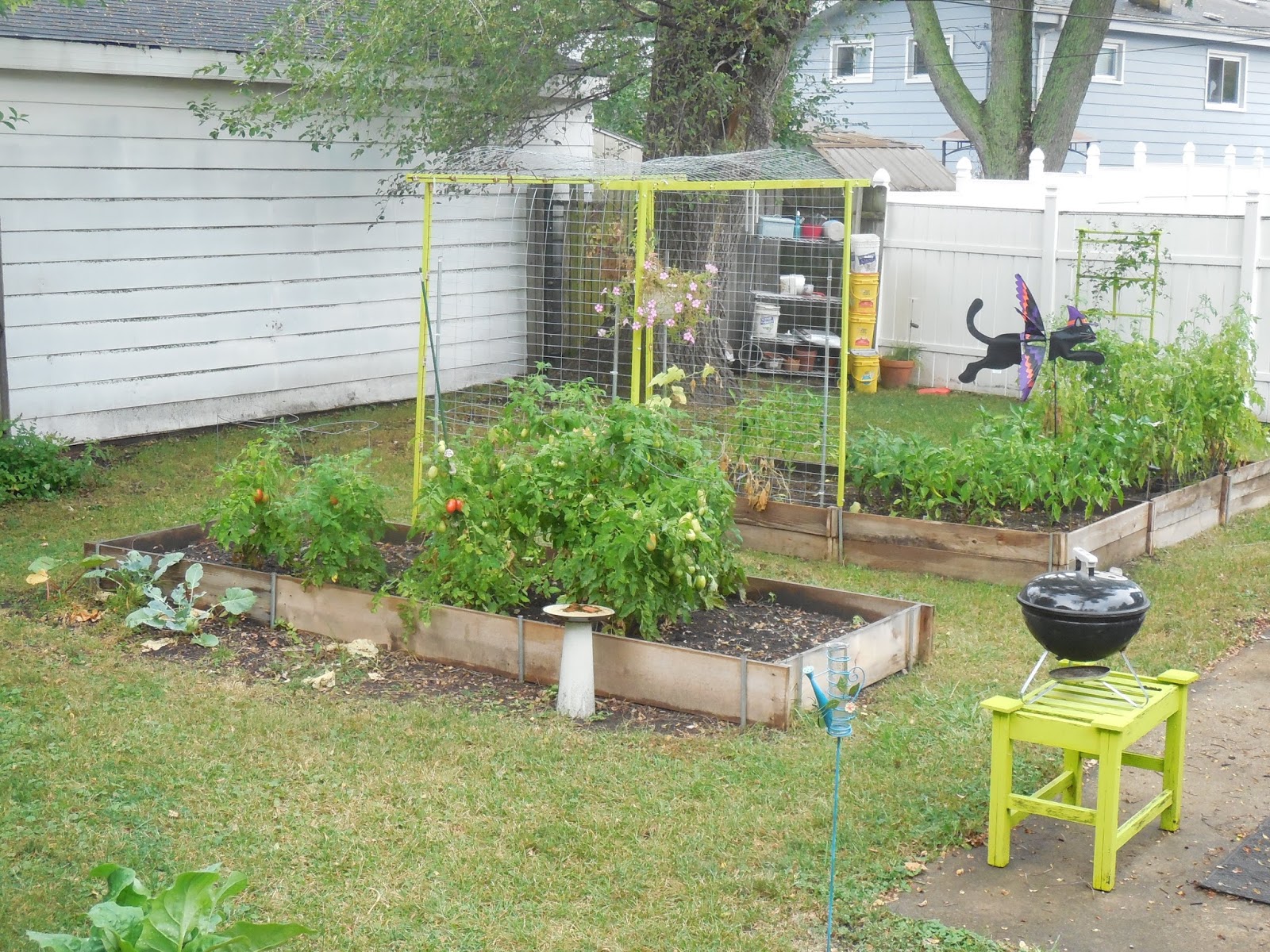
Metal tube used to side the beds is covered with pvc bent to hoop over the bed and covered with plastic sheeting.

GROW SPINACH AND PARSLEY THROUGH WINTER:

1.      In areas with strong winds and heavy snow, build a cold frame or low tunnel enclosed by a row cover to provide good protection.
2.      Mix in a balanced organic fertilizer to the garden bed.
3.      Sow seeds or set out seedlings.
4.      Until seeds germinate, keep the soil moist.
5.      Install the frame or tunnel over the plants when the first frost comes, but keep the top or ends open for ventilation until temperatures drop into the teens. Growth will slow as days become shorter and colder, and then resume in February in response to longer days.

TIP:
To speed germination of spinach seeds, soak them overnight in water, and then let them dry at room temperature for up to five days. Parsley seeds will sprout faster if you place them in a strainer and pour one cup of very warm water over them. Allow the seeds to dry overnight on a paper towel, and then plant them.


Wednesday, March 9, 2016

Beginner’s Guide to Growing Basil

Almost everyone loves to eat fresh basil and some people have a hard time growing it.  Basil can be a finicky little plant in the changeable weather that is Spring.  Don’t let the Basil get the better of you with these simple tips.

If you are planning your Spring garden, here is a Beginner’s Guide to Growing Basil to help you out.
SEEDS OR TRANSPLANTS
Beginners, don’t even think about growing basil from seed. If you do, just wait for the frustration to come out after two weeks. You will be SO excited to see the little guys sprout up and then you will wait, and wait, and wait for them to grow bigger. You will keep waiting. It won’t happen. Basil seeds are susceptible to a fungus on the soil that stunts their growth. It is due to poor air circulation and not keeping the soil’s water level maintained. If you are experienced with starting plants from seed you will be okay, but if you are new, just go over to the nursery or local plant sale and pick out 1-2 basil plants in different varieties. Unless you plan on freezing and drying basil, a 6-pack of basil will produce too much.

Lemon Basil
VARIETIES
Purple basils have a smaller more compact habit and take up less space, yet taste the same as sweet basil, so try them if your space is limited.  Lemon basil has a distinctive flavor and many uses in cooking.  If you have never tried it, you should take the plunge.  Sweet basil comes in many varieties.  If pesto is your aim try Genovese or Napaletano. For those wanting to try a basil tea, cinnamon, tulsi (holy,) or thai basil have unique flavors that are great for food or beverages.
Purple Basil

ADVICE AND INFO
Basil is a heat lover and a cold hater.  Make sure your plants are hardened off before you leave them out overnight.  This means introducing them to the outdoors one hour or two a day for about a week then moving up the time until they stay out an entire day.  Keep them shaded for that transition period.  Once they are ready to stay outside, you still need to protect them (I bring them back indoors) if the temps dip into the 40s (Fahrenheit) at night.  The leaves will turn black if they get too cold and this can kill a young seedling. 
Basil is a heavy nutrient user. If growing them in a container, you will need at least a one gallon container for them to spread out in and you will need to feed them every month. When growing in the ground you may still need to feed them.
Since basil plants produce edible leaves, they need more nitrogen, making blood meal the perfect soil amendment (this is available at your local home and garden center.) Basil also needs a lot of water. It can handle the soil drying out in between waterings, but it really likes to be moist if possible. Basil is also a sun worshipper – give your plant at least 6-8 hours of bright sunlight a day.
http://ir-na.amazon-adsystem.com/e/ir?t=monetokn-200&l=as2&o=1&a=B001JTAJFM
HARVESTING AND USING
Harvested Basil

You can start to harvest basil as early as 3-4 weeks after it has been able to stay out overnight, or once the plant is taller than six inches. Gently pinch all the way down the stem to the union of the next leaf set. You want to remove that stem so that new leaves will grow from that point. Pinch off as much as you need at the time or harvest full stems for freezing and drying. 
Pinching out the center above two branching leaves.
Always remove the flowers the minute that they emerge, especially in the early season. If you don’t, the leaves diminish in size and flavor as the plant sends energy to make seed.

Flowering Sweet Basil
Once the weather man predicts an overnight temp less than 45 degrees F, cut down the last of your basil and dry it or preserve it for winter use. I have several posts on making pastes and pesto with basil, that you can check out once you have enough harvest. 
Most important harvest your basil often.  If you just let it grow, you will not get a bushy plant but a single stalk that will flower early and get top heavy, so pinch and enjoy your basil as soon as it is ready!
Holy (Tulsi) Basil

Related Posts Plugin for WordPress, Blogger...