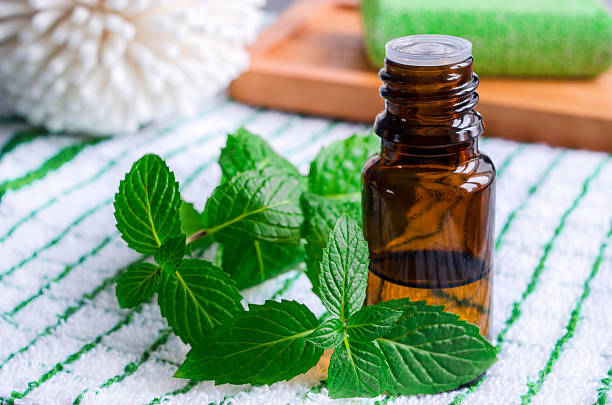
Showing posts with label sleep aid. Show all posts

Thursday, August 4, 2022

Dream Pillow - Bath Blend of the Month

I have posted other recipes for Sleep or Dream pillows in the past.  A sleep pillow is actually a sachet.  Gather the herbs and place inside a small muslin bag and secure firmly. Place this sleep bag either on or under the pillow to aid sleep. It can also be used when travelling to aid sleep in a strange bed too.


Dream Pillow

Classic sleep-inducing herbs with a pleasant scent, all of which are said to bring pleasant dreams.

  • 1 ounce mugwort
  • 1 ounce lemon verbena
  • 1 ounce chamomile

  • 1 ounce pink rose buds
  • 1 ounce peppermint
  • ¼ ounce hops

Combine the herbs together and place ½ cup into a sachet.  Place the sachet inside your pillow case so the scent will help you to sleep.

Wednesday, March 30, 2022

Aromatherapy -- answer to a Question -- Does it work?

I was recently asked if aromatherapy actually works.  Although I do not believe it will cure all that ails you, I do recognize that the scent of herbs in my home gives me more energy and does help my husband and I fight illnesses.  


What is aromatherapy?

Imagine if a whiff of a particular scent—from lemon to lavender—could shift your mood, reduce stress levels, or provide you a dose of much-needed zen. This is the fundamental belief behind aromatherapy, an ever-growing wellness trend. While this practice has become more mainstream in recent years, there are a few items to keep in mind if you want to partake.

In most cases, people diffuse essential oils, made by distilling the oil from botanicals, to create various scent profiles in their home. In their best form, essential oils are 100% plant oils, pure and not mixed with other oils.  So stay away from extracts which are alcohol extractions or perfume oils which are usually an essential oil mixed with a base oil.

Avid aromatherapy fans use their oils for a variety of purposes, but some popular wellness goals for the practice include:

  • Improving mood
  • Providing calmness 
  • Clearing sinuses
  • Reducing stress
  • Setting a tone of a room (think: relaxing or energetic) 
  • Scent diffusion alternative to candle-burning 
Plus, it's worth noting that The Food and Drug Administration does not regulate essential oils, so paying attention to ingredients is very necessary. Organic essential oils are distilled directly into an oil, but contamination from chemicals is widespread in non-organic products.


Why to use the scents

As The Mayo Clinic points out, some studies have suggested that aromatherapy can benefit our sleep patterns, help us cope with anxiety and depression, and improve the quality of life for those with chronic health conditions and pain. That said, if you have any worrisome symptoms, you should always discuss your concerns with a trained medical professional.

One big drawback of aromatherapy is the idea that it's a cure-all. Some ardent DIY-ers may be inclined to reach for oils when they should be reaching out to health professionals. So while aromatherapy shouldn't be considered your only resource when dealing with specific issues, proper use of aromatherapy does provide many meaningful benefits.


It can help you relax.

For nights when your mind is racing, consider diffusing or applying lavender essential oil. This can help calm your senses and cut down on distractions, Fowler explains. In fact, she calls lavender's ability to soothe legendary, and believe it or not, accidental.

It can help you sleep more soundly.

If you're having trouble catching Zzzs at night, you're not alone. According to the Centers for Disease Control and Prevention, one in three adults do not regularly get enough sleep. Choose a soothing, comforting aroma like lavender oil, which has been proven to decrease blood pressure and heart rate when inhaled. Add a few drops to your aroma diffuser about an hour before you're ready to go to sleep. Choose chamomile or peppermint oil

The soothing effects of chamomile oil and its benefits in bringing about sleep are more general than specific. When diffused in the air, the subtle floral aroma has a calming and relaxing effect on the mind. Roman chamomile in particular--with its fresh, apple-tinged fragrance--is ideal for staving off anxiety. Peppermint oil is great for promoting restfulness by clearing your head, both figuratively and literally. The pleasant aroma of peppermint oil can be relaxing, but more to the point, if you suffer from any seasonal allergies or dust sensitivity, nothing will ease your symptoms better or more quickly than diffusing some peppermint oil in the air of your bedroom. Once you finally find relief for those sore nasal passages, the move to relaxation and then sleep is sudden and satisfying.

 It can help you manage stress.

For those days when the meetings pile on and your to-do list never gets shorter, fighting stress is vital to make it to the end of the day. Certain oils are ideal to try, depending on what's causing your stress. If your personal stress has an element of anxiety, then you might be best suited toward citrus oils, which have been shown to help relieve anxiety. If your stress leaves you feeling off-centered or disconnected, oils from wood like frankincense and sandalwood may be best. If stress has an element of depression with it, you might want to choose something more uplifting in the mint family.

It can boost energy and focus.

Scent is such a powerful sense, it can stimulate surprisingly strong reactions in your body.  Just as lavender promotes calmness and relaxation, bright or spicy scents like citrus, peppermint, and ginger are energizing.  Diffusing these scents can help promote focus, alertness, and productivity, making them great for the morning or as a midday pick-me-up.

Making aromatherapy part of your daily routine by diffusing energizing oils like citrus, peppermint, ginger, eucalyptus, or lemongrass immediately after you wake up.


Ways to use the Scents

  • So add your essential oils to reeds and place in a small vase to diffuse into the air.
  • Add a few drops to a piece of terra cotta in a dish or a decorative piece of clay.
  • Inhale them, either directly out of the bottle or by using a diffuser or humidifier
  • Dilute essential oils with a carrier oil and apply it directly to your skin. 
  • Get creative and add the mixture to a body wash, shampoo, or bath.
  • Search essential oil in the blog search box for numerous recipes using essential oils for these things and more.


Thursday, October 4, 2012

Five ways to use Lavender in Your Home this fall

No other herb is quite so prized for its fragrance and beauty, or more evocative of romance than lavender.  The season for harvesting lavender has just passed and I have a number of screens full of dried buds.  
Lavender has a laundry list of good-for-you properties.  It is antiseptic, anti-bacterial, anti-fungal, anti-inflammatory, anti-convulsive, and anti-depressant. Lavender benefits stress, anxiety, exhaustion, irritability, headaches, migraines, insomnia, depression, colds, digestion, flatulence, upset stomach, liver and gallbladder problems, nervousness, and loss of appetite.  With this in mind, I glanced through just a few notes in my file drawer and came up with five great ways to put lavender to work for you.
Relaxing Lavender Bath
Make a strong infusion by adding a handful finely chopped lavender leaves and flowers to a cup of boiling water. Let it steep 10 minutes, strain and add to your bath.  Lavender will not only relax you with its scent but will reduce the stressful feelings with it essential components.
Drowsy Potpourri
Fill a bowl by your bedside with rose petals and dried lavender flowers. Add a drop or two of lavender essential oil. Finger the bowl before drifting to sleep.
Sleepy Sachets
Put lavender flowers and a few drops of essential oil in sachets to slip beneath pillow or inside the pillow case for a soothing release of scent if you wake or turn in the night. Or if you don’t have time pick up a few Lavender Sachets from the Backyard Patch to slip into Birthday cards and hostess gifts.


Lavender Moth BagsMix equal parts of the herbs from the following list. Place them inside muslin bags or if you are feeling especially crafty, sew squares of thin cotton or use heat seal tea bags to create sachets.  Lay them in with your blankets and towels or put them in between your clothes in the drawer.
Dried Herbs to use:
lavender flowers
lavender leaves
mint
rosemary
southernwood
santolina
marjoram
  
The Backyard Patch makes two different Moth Sachets as part of our Green Cleaning line and one has a recipe very similar to this one, using lavender to combat bugs in storage.

Lavender Room SprayAdd 5 drops lavender essential oil to 50 ml distilled water in an atomizer. You will need to shake the atomizer vigorously before each use. Do not make large quantities as the keeping time is relatively short.
Hope you enjoy this short list and remember to use your lavender for all the seasonal effects of shorter days and time changes.

Sunday, September 23, 2012

Crafting Pillows to Aid Sleep

When the days shorten and the clocks change in autumn, I sometimes have problems sleeping.  This probably goes all the way back to the insomnia I suffered from in college and this time of year brings back those memories of wondering the dorm hallways and pacing the quad trying to get myself to sleep.  Most of the time I gave up trying to sleep and went over to the museum and cataloged artifacts in the wee hours of the morning.  It helped to know the security guards who would let me in.
lemon verbena
One of the first herbal remedies I employed with my first harvest back in the early 90s was a sleep pillow blend.  I cannot sew, so these were sealed into cotton bags and later oversized tea bags which I slipped into the pillow case.  As long as I kept from putting in catnip I generally got to keep the bags for myself.
There are several herbs you can choose when putting together a sleep enhancing pillow. Lavender is a popular herb for sleep-dream pillows, and was often used by Victorian ladies to relieve headaches.  Lemon Balm and Lemon Verbena have an exceptionally soothing fragrance that is said to help depression. Rosemary was thought of traditionally as an herb that could guard against evil spirits and nightmares.
Any dried herbs you like may be added to a pillow.  Choose those whose scent appeals to you, but whatever you choose, remember that it should give off a soothing, subtle scent that promotes relaxation.  You can pick from angelica leaves, marjoram, rose petals, rose geranium leaves, lemon thyme, lavender, lemon balm, and lemon verbena.  Avoid mints as they are thought to be energizing and not so sleep enhancing.

The procedure for each blend is the same.  If using essential oil add it to the orris root powder - substitute oak moss if you are sensitive to orris root (these are fixatives, like in potpourri they help the pillow herbs keep their scent.)  Then mix in the ingredients and store in a covered jar for 2 weeks, shaking container daily.  Once cured place the dried flower mixture into a small pillow made of closely woven fabric or in a cotton teabag.

Lavender-Chamomile-Rose
2 oz. lavender flowers
1 oz. chamomile flowers
1 oz rose petals
2 tbsp. coriander seeds (lightly crushed),
1 sm. cinnamon stick (crumbled)
2 tbsp orris root powder

Lavender-Lemon Verbena-Rosemary
2 oz. lavender
1/2 oz. crumpled bay leaves
1 oz.lemon thyme
1 oz. rosemary
1 oz. lemon balm
1 oz. orris root powder, a few drops of lavender oil

Orange-Eucalyptus
2 oz. hops
1/2 oz. Eucalyptus
1 oz. meadowsweet
1 oz. woodruff
1 oz. crushed cloves
1 oz. crushed orange peel
1 oz. orris root, few drops sweet orange oil

If you do not have the time or the herbs to craft these pillow inserts yourself, the Backyard Patch makes pillow sachets for sleep, relaxation and headaches.  You can find them all on our website under Pillow Sachets on the Bath and Spa Items Page (look down toward the bottom.)

Saturday, May 19, 2012

Salve with Roses to help you sleep

Sweet Dream Balm (adapted from Rosemary Gladstar's recipes)
Rub on temples at night for sweet dreams. Great for children!

1/2 cup Borage Flowers
1/4 cup Chamomile Flowers
1/4 cup Rose buds
1/4 cup Hops
1/4 cup Mugwort
4 cups Olive Oil
4 oz. Beeswax
50 drops Lavender Essential oil
20 drops Chamomile Essential oil.
To begin your salve, measure the herbs into an enamel, glass or stainless steel pan (never use aluminum), or into a crock-pot.  Cover the herbs with oil. Heat the herbs and oil over a low heat for several hours (about 3 hours). If you are using roots you should heat the oil longer (about 5 hours). Do not fry the herbs, and keep the vessel covered to retain all the wonderful medicinal qualities of the herbs. After the oil is infused, strain the herbs through a cloth. When most of the oil has filtered through the cloth, squeeze as much oil as possible from the herbs and cloth. Be careful not to burn yourself in this process! Measure the infused oil to ascertain the amount of beeswax needed to make the balm.  You need about 1 oz. beeswax for each cup of oil.
Pour the oil into a clean pot, add beeswax to the oil and heat it until all the wax is melted. To test to see if your salve is firm enough, put some on a spoon and set it in the freezer for a few minutes. If your salve is too soft, add more beeswax. If the salve is too thick, you can add a bit more oil to soften it. If you are using essential oils or Vitamin E you can blend them in now. Finally, pour your salve into containers and label.
Related Posts Plugin for WordPress, Blogger...