Showing posts with label tarragon. Show all posts

Wednesday, June 17, 2026

Eight Summer Green Sauces

Nearly every culture has a version of herb sauce — pesto, chimichurri, salsa verde, zhug. The formula is forgiving:

Fresh herbs + oil + acid + salt.

Blend whatever is abundant. The garden decides dinner.

Green sauces are one of the easiest ways to add fresh herb flavor to meals. They can be used as dips, sandwich spreads, marinades, salad dressings, or toppings for grilled vegetables, meats, fish, pasta and grains. 

Classic Herb Chimichurri

A bright Argentine sauce perfect for grilled vegetables, steak, chicken, or roasted potatoes.

  • 1 cup parsley, finely chopped
  • ¼ cup oregano leaves
  • 3 cloves garlic, minced
  • ½ tsp red pepper flakes
  • 2 Tbsp red wine vinegar
  • ½ cup olive oil
  • Salt and pepper to taste

Directions

Mix all ingredients together and let sit for at least 30 minutes before serving.

Garden Herb Green Goddess

Creamy and packed with fresh herbs.

  • ½ cup mayonnaise
  • ½ cup plain Greek yogurt
  • ¼ cup chives
  • ¼ cup parsley
  • 2 Tbsp tarragon
  • 2 Tbsp lemon juice
  • 1 clove garlic
  • Salt and pepper to taste

Directions

Blend until smooth. Serve as a dressing, dip, or sandwich spread.

Basil Parsley Pesto

Not just for pasta!

  • 1 cup basil leaves
  • 1 cup parsley
  • ⅓ cup walnuts or sunflower seeds
  • ¼ cup grated Parmesan
  • 2 cloves garlic
  • ½ cup olive oil
  • 1 Tbsp lemon juice

Directions

Process all ingredients in a food processor until smooth.


Uses

  • Toss with pasta
  • Spread on sandwiches
  • Stir into soups
  • Top grilled vegetables

Lemon Balm Herb Sauce

A refreshing sauce that pairs well with fish and chicken.


  • 1 cup lemon balm leaves
  • ½ cup parsley
  • 2 Tbsp chives
  • 2 Tbsp lemon juice
  • ¼ cup olive oil
  • 1 tsp honey
  • Salt and pepper

Directions

Blend until smooth.

Herb Salsa Verde

A zesty Italian-style green sauce.

  • 1 cup parsley
  • 2 Tbsp fresh oregano
  • 1 Tbsp capers
  • 2 anchovy fillets (optional)
  • 1 garlic clove
  • 2 Tbsp lemon juice
  • ⅓ cup olive oil

Directions

Pulse ingredients together until finely chopped but not completely smooth.

Mint & Cilantro Green Sauce

Excellent with grilled vegetables, lamb, or grain bowls.


  • 1 cup cilantro
  • ½ cup mint
  • 1 jalapeƱo, seeded
  • Juice of 1 lime
  • 1 garlic clove
  • ¼ cup olive oil
  • Salt to taste

Directions

Blend until smooth.

Dill Cucumber Sauce

Fresh and cooling for summer meals.

  • 1 cup cucumber, chopped
  • ¼ cup dill
  • 2 Tbsp parsley
  • ½ cup Greek yogurt
  • 1 Tbsp lemon juice
  • 1 clove garlic

Directions

Blend until creamy.


Uses

  • Fish
  • Salmon burgers
  • Vegetable platters
  • Potato salad dressing

Backyard Patch Garden Green Sauce

A "use what you've got" herb garden sauce.


  • 2 cups mixed herbs (parsley, basil, lemon balm, chives, oregano, mint, or dill)
  • 2 cloves garlic
  • 2 Tbsp lemon juice or vinegar
  • ½ cup olive oil
  • 1 Tbsp honey
  • Salt and pepper

Directions

Blend until smooth. Adjust thickness with more oil or a splash of water.

Tip

This is a great recipe for using small harvests from several herbs at once. The flavor changes throughout the season depending on what's growing in the garden.

Green sauces are proof that a handful of fresh herbs can transform everyday meals into something special. Whether you prefer the bright tang of chimichurri, the creamy richness of Green Goddess dressing, or a simple garden herb blend made from whatever is thriving in your backyard, these versatile sauces offer endless ways to enjoy the flavors of the season. They’re a delicious solution for using up abundant herb harvests while adding color, nutrition, and fresh flavor to everything from grilled vegetables and meats to salads, sandwiches, and grain bowls. So grab a handful of herbs, fire up the blender, and discover just how easy it is to bring a little green goodness to your table.


Wednesday, April 29, 2026

Deer Proof Your Garden with these 10 Herbs - Herb of the Week

Gardening in Deer Country depends on a number of factors including weather, attitudes of neighbors, and the season.  If your neighbors feed the deer in winter, you will have more deer closer to your home.  They are creatures of habit and once they find someplace they like, they will keep returning. But having a fragrant herb garden is a confusing place for deer. They use scent to keep track of predators, so the scents in the garden can overpower that making them shy away.


Having a dog in the yard, even a small one can also deter deer.  Solutions with blood meal, urine, peppers, garlic, eggs and mint also keep away unwanted animals.  Applying these products around your property edge can work wonders.  However, they will need to be reapplied after rain or heavy watering.


If you have a floral landscape you many want to incorporate some of the plants in the following list to add the kinds of scents deer tend to avoid. Here is a list of 10:

  1. Horehound (Marrubium vulgare) - A hardy perennial that grows to about 2 1/2 feet; deer generally dislike the foliage because of its bitter menthol-like flavor.  It will self-seed, so dead head the blooms.
2. Goldenrod (Solidago spp.) - This native plant comes in many varieties and any will work.  Blooming in the fall it will send out 3 foot panicles in late summer.  You can start form seed or plants.


3. Rosemary (Rosmarinus officinalis) - Grow this in a container so you can bring it inside for winter.  You want an upright variety that will be a deer nose level, as they dislike the scent.


4. Anise Hyssop (Agastache foeniculum) Another Native perennial in the mint family, the dense spikes of purple flowers are very fragrant on 3-to-4-foot stems.  Not only will it attract bees and other pollinators, the scent keep deer at bay.


5. French Tarragon (Artemesia dracunculus) This perennial can get to 2 to 3 feet in the second year it has bittersweet leaves with an anise scent deer dislike.

6. Poppy (Papaver orientale) - This reseeding annual has pretty blooms in a myriad of colors and forms.  It is easy to grow, just scatter the seed throughout the garden.

7. Lavender (Lavendula spp) - Many varieties and species to pick from choose the stronger scented ones for deer resistance and the lighter scented ones to cook with.  Start them from plants and stick to the ones hardiest in your area.

8, Santolina (Santolina spp) comes in both gray and green leaf forms, it is a small shrub with strongly scented leaves.  Only 12 to 16 inches tall is makes a nice evergreen edging that can create a nice barrier.

9. Barberry (Berberis vulgaris) another hearty shrub, it has bright red berries and sharp spines.  It is easy to grow as a hedge  and can reach 8 feet tall in ideal conditions.  Place it in the back of the garden where deer like to slip in and they will think twice.

10. Butterfly Weed (Asclepias tuberosa) a hearty native milkweed, it has yellow, red and orange blooms that butterflies adore.

The key to making these plants work for you is allowing them to get to a mature size, so protect the young seedlings from rabbits and deer with small cages.


Wednesday, September 7, 2022

Harvesting the herbs in the time of Virgo

I am a Virgo and this time of year I look up herbs for the Virgo to see what pops up on Google.  This year I found this great website with herbs and magick that is just so interesting.  I recommend taking a look.

The blog post was written by Alexis Cummingfolk and what I found as I searched around the site was a folksy conversation about herbs that was refreshing to read and wonderfully informative.

http://www.wortsandcunning.com/

What I loved about the post I found first, that caused me to want to look around more, was a list of seasonal reflections.  This list of questions caused me to pause and access, which I believe was the whole purpose.  I sometimes do not do that on a daily basis like I should and when I am coaxed to do so, I take it as a universal sign to get into alignment.

Here are the questions that she posted and here is the actual post I am referring too. 

Blog — Worts + Cunning Apothecary | Intersectional Herbalism + Magickal Arts (wortsandcunning.com)

http://www.wortsandcunning.com/blog?category=astroherbology

I have included my answers to the first question and I suggest you try this exercise for yourself…

What does the land feel like, look like, smell like this season?

What is coming to the surface from within me?

What is receding within me?

What am I feeling grateful for?

What am I grieving for or feeling challenged by?

What am I feeling inspired and where is it calling me to this season?

What am I calling to me?

What am I called to give?


What does the land feel like, look like, smell like this season?


I was out in the herb garden, so the wind was coming from the northeast across the forest preserve into the herb garden bringing with it the smell of water and trees that mingled with the scent of the herbs stimulated by the bright sun and the stiff breeze.  All the herbs are tall, at least those I have not yet cut, because of the recent rain they all had a growth spurt.

When I walk down the rows I brush my fingers over the herbs to release the scents and give my fingers a lovely perfume.  Harvesting is my favorite herb activity.  I get to touch the herbs, feel the softness or stiffness of the leaves and enjoy the buzz of the pollinators, who I do disturb with my cutting.  The heat in the drying shed is intense and I sweat a lot as I bundle and hang the herbs.  But the frequent and day-long sun means I can harvest even more in a couple days as the cut branches dry quickly.

The herbs wave in a natural and soothing way in the wind.  It looks like an undulating blanket when you gaze at the lemon balm clumps or the tall tarragon that flops over this time of year from its own weight.  The sage wiggles because the stiff woody stems don’t really bend much while the lavender waves back and forth allowing me to see the difference between lavender and rosemary because the rosemary tends to stand still in a breeze, while the softer stem of lavender moves like a dancer. From a distance, the long needle-shaped leaves look similar until there is a wind.

Lavender in flower

Lavender

Summer savory close up

Summer Savory

I harvested the annuals today because their life is short now and they want to make seed, so I cut them strongly.  The basil was at its licorice best today and the purple basil was especially pungent.  I know vinegar making is in my future. The holy basil crop is a bit sparse this year.  The earwigs enjoyed it more than any other herb in the garden. Then the soap mixture I sprayed it with caused the sun to fry the leaves that were not eaten. However, my thyme plants are very happy and the scent is strong even in the heat of the day which makes my nose sing.  I also harvested the summer savory.  It gets spindly this time of year, but the leaves are plentiful and the flavor is finally reaching its apex.  I chew on a branch of it to keep me from being thirsty. 

Lemon verbena stems wrapped in paper towel
Lemon Verbena

I finished my day by harvesting lemon verbena.  I cannot bring into the house all the plants I grow so this tender perennial will die away in the cold Illinois winter, but for now it’s heady with the scent of lemon and the leaves are large and bright green and asking to be stroked to release the fragrance, which I oblige.

Friday, February 7, 2020

Pretzel Dip - Weekend Recipe


I purchased a cookbook while on vacation, which is my habit.  This one was called Top Chefs of West Virginia by Allen Arnold and Maureen Crocket.  It had interviews with about 20 different chefs for the Appalachian area.  They vary from complicated to basic, but all reflect a great modern esthetic and a regional flare.  I will be sharing a few more later this year.


One that caught my attention to share this month (Tailgate - Appetizer theme) was a Pretzel Dip by Dennis O. Harris II.  It was a very basic recipe with no herbs in it, but I thought with herbs flavors you could really dress this up.


Pretzel Dip ala Backyard Patch


8 ounces of cream cheese

2 Tbls herb flavored butter

2 Tbls Splenda

2 Tbls herb vinegar


Blend cream cheese with herb flavored butter.  A combination made with chives, tarragon and parsley or BYP Herbal Spread would go well with pretzels.  Add Splenda. Then stir in herbal vinegar.  I suggest a savory vinegar like tarragon, thyme or something with peppercorns, like Marcy’s Favorite.  Serve with pretzel rods.


RECIPE THEME


Each month a theme is chosen and a number of recipes on that theme from my massive archive will be shared.  This year we have 12 new topics, different from the topics of last year.  To find the recipes of last year, check out this recipe link or search the blog with the topic Recipe2018 or Recipe2019 


You can search the monthly theme by looking for the theme keyword in the search box and it will pull up the recipes on that theme as posted, so look at the bottom of the recipe in each posting for the KEYWORD in the () to search for each  month.  All recipes this year will be tagged Recipe2020 so you can find them all.

The themes are:

Feb 2020 - Footbal Tailgate Favorites (AppFeb)
March 2020 - Kabobs (KabobMar)
April 2020 - Brunch (BrunchApr)
May 2020 - Non-Traditional Pizza (PizzaMay)
June 2020 - StirFry Dishes (StirJun)
July 2020 - Salads with no lettuce (SaladJul)
August 2020 - Pickled things (PickleAug)
September 2020 - Quiche (QuicheSep)
October 2020 - Squash Soups (SquashOct)
November 2020 - Pumpkin (again) (PumpNov)
December 2020 - Turkey Recipes (TurkDec)


Friday, August 2, 2019

New Month - New Recipe theme Mustard!

August 3 is National Mustard Day according to the National Mustard Museum in Middleton, Wisconsin. We have traveled to this museum in the past and got some great mustards and mustard recipes, some of which I will share in the upcoming celebration of Mustard Month.


This year I hear that Frenches in introducing a mustard flavored ice cream in celebration of the day.  Wow, not sure I am that adventuresome. But I love mustard.  Being from Chicago, as I am, we all know mustard is the only condiment (besides bright green relish) you put on a hot dog.  Don't argue with me I won't give in to my husband and I won't give in to you!

But this joy in mustard on a hot dog has led to a love of it on many other things, so this month in celebration of the fact it is time to harvest those mustard seeds I am going to share an entire month of recipes related to or using mustard.


I am starting with a make your own Dijon  Mustard recipe.  Now if you want to make your own mustard from scratch I posted directions for that back in 2013 and you can find it here: Mustard Herb of the Week.


Dijon Mustard Recipe


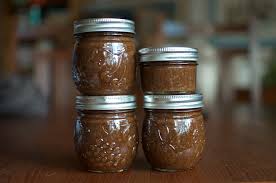
The famed mustard associated with Dijon, France, is easy to make. Some versions require grinding whole mustard seeds and spices. This one champions simplicity by combining dry mustard with a few essential ingredients. The result is smooth and creamy, and not too hot. This is a canned recipe that you can make in a water bath canner to keep outside the refrigerator, but if you do not want to actually can it, then follow the instruction in the recipe and keep in the refrigerator for up to 12 months.


1 1/3 cups (4 oz/125 g) dry mustard
2 cups (16 fl oz/500 ml) dry white wine or flat Champagne
1 yellow onion, chopped
3 cloves garlic, finely chopped
2 tsp sugar
2 tsp salt
Makes 2 half-pint (8-fl oz/250-ml) jars 

Directions: 

Have ready hot, sterilized jars and their lids.

In a bowl, stir together the mustard and 1/2 cup (4 fl oz/125 ml) water until smooth. Set aside.

In a small nonreactive saucepan, combine the wine, onion, and garlic. Bring to a boil over high heat. Reduce the heat to medium, stir in the sugar and salt, and simmer, uncovered, stirring often, until reduced by half, about 20 minutes.

Pour the wine mixture through a fine-mesh sieve into the mustard and stir until combined. Transfer to the saucepan and cook over medium heat, stirring frequently, until thickened, about 20 minutes.

Spoon the hot mustard into the jars, leaving 1/4 inch (6 mm) of headspace. Remove any air bubbles and adjust the headspace, if necessary. Wipe the rims clean and seal tightly with the lids. Store the jars in the refrigerator for up to 1 year. For the best flavor, let the mustard stand for at least 2 weeks before using.
Variations:
Honey Dijon Mustard
Omit the sugar. Stir in 2 Tbls honey before transferring the mustard to the jars.

Tarragon Dijon Mustard
Add 1 Tbls chopped fresh tarragon before transferring the mustard to the jars.

Dijon with Mustard Seeds
Add 2 tsp brown mustard seeds during the last 5 minutes of cooking.


RECIPE THEME

Each month a theme is chosen and a number of recipes on that theme from my massive archive will be shared.  This year we have 12 new topics, different from the topics of last year.  To find the recipes of last year, check out this recipe link or search the blog with the topic Recipe2018


You can search the monthly theme by looking for the theme keyword in the search box and it will pull up the recipes on that theme as posted, so look at the bottom of the recipe in each posting for the KEYWORD in the () to search for each  month.  All recipes this year will be tagged Recipe2019 so
you can find them all.


The themes are:
Jan 2019 – Chicken and Dumplings (CDumpsJan)


Feb 2019 - Pasta Dishes (PastaFeb)


March 2019 - Edible Flowers (FlowerMar)


April 2019 - Seafood Recipes (SeafoodApr)


May 2019 - Cajun And Creole (C&CMay)

June 2019 - Vegetarian Dishes (VegJun)
July 2019 - Zucchini Recipes (ZucJul)
August 2019 - National Mustard Day – mustard recipes (MustardAug)
September 2019 - Quiche
October 2019 - Crock Pot meals
November 2019 - Pies
December 2019 - Mocktails
Related Posts Plugin for WordPress, Blogger...