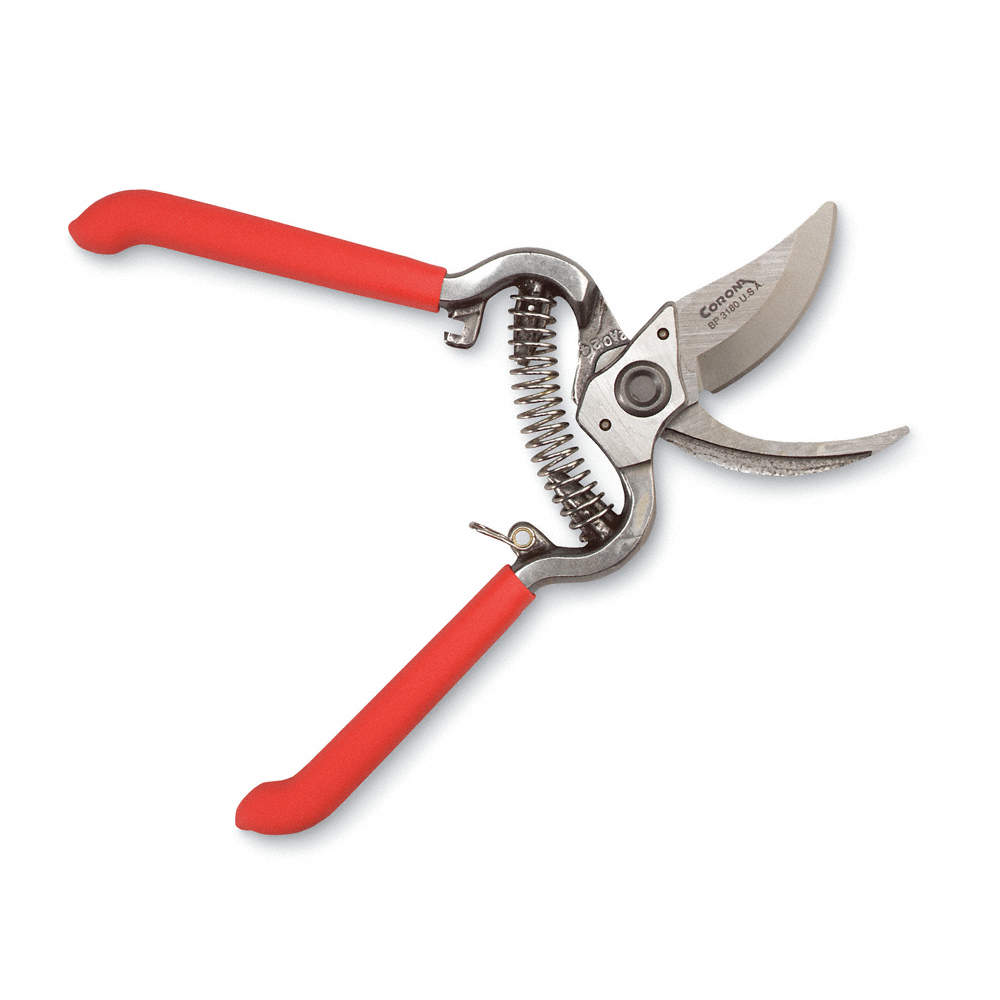
I want to go out and work in the garden more this year than I have in many years! The snow has not even melted off my grass or raised beds yet and I am still thinking, I could go out and do this or that. I have a rule, no visiting the offsite herb garden until April 15. The day after Tax Day I can go look at the garden and start making my to do list. If I go out there sooner, I will be tempted to just “fix” this or that and walk around in an area that is way too soggy in early spring to resulting in compacting my soil, so I ban myself from my own garden as a result of past missteps!

Then I remembered
that the tree service removed all my stepping stones so as not to break them
when they were removing the logs from the yard. I have a wonderful March
project to work on. I should also fix the uneven stone in the Thyme walkway,
but that might be a while if this snow pile is any indication. You cannot even see that there are thyme
plants under there yet.

Stepping stones in the lawn and garden can become unstable due to excessive rains or heaving, caused by alternating periods of freezing and thawing. So they too should be stabilized and leveled to make them safe to walk on. To fix, this requires that you actually lift the stones and add soil or gravel beneath them. Use a level to verify that they are even with the ground.
Repair a Dry Stacked-Stone Wall
I am also considering
replacing the now fully decomposed wood sides to my herb bed with a dry-stacked
stone wall. This is also a great time
for you to repair an existing dry stack wall. A dry-stacked stone wall means
that they're not actually mortared in place.
However, they do have a tendency to shift during the winter months. As a
result, the border becomes a bit unsightly, not to mention dangerous,
especially if kids occasionally walk on the stones.
Late winter to
early spring is an ideal time to reposition stones. Sometimes minor adjustments
are all that's needed; simply moving the larger stones with smaller ones can stabilize
the border. It doesn't take all that much time or effort, and the payoff is
worth it in terms of enhanced aesthetics and safety. And with the soil being
wet and soft this time of year it makes the task even easier.
Correct Tunnels Made by Garden Pests
Unstable stones
aren't the only hazards that can lead to a sprained ankle. There are also
tunnels and mounds of dirt created by moles and gophers. They too should be
leveled with a metal rake and tamped firmly. The exposed soil can later be
reseeded with grass seed or left as-is if your turfgrass is the type that tends
to spread.
Spring-Flowering Bulbs
 It's not
unusual for the foliage of early spring-blooming bulbs to turn brown, especially
at the tips, when temperatures drop suddenly. Although the foliage may not look
all that great, the bulbs themselves will be just fine and will flower pretty
much on schedule.
It's not
unusual for the foliage of early spring-blooming bulbs to turn brown, especially
at the tips, when temperatures drop suddenly. Although the foliage may not look
all that great, the bulbs themselves will be just fine and will flower pretty
much on schedule.Now is a good
time to do a quick sketch of where your bulbs are. This will help when the
foliage fades later in the year and you begin planting annuals and perennials
in the same bed. You'll have a map of where the bulbs are and avoid destroying
them as you dig.
source: Getty Images/istockphoto
Touch Up Mulch
You may need to wait until the snow is gone to do this, but my mulched beds tend to lose snow first, making this an ideal time of year to inspect your mulch, particularly its depth. Chances are organic mulches, especially those made from shredded or chipped wood, have decomposed somewhat or have been washed away by heavy rains.
With a metal
rake, fluff your mulch a bit and try to level it out over your garden beds.
Along the way, use a ruler to determine the average depth of the mulch.
Ideally, you want at least a 2-inch layer, and 3 to 4 inches is OK, especially
for southern gardeners.
Winter Pruning Trick
If you haven't
already completed pruning your deciduous trees and shrubs, there's still time. Especially
if the heavy snow damaged the shrubs in the last big snow.
First, stare at
the tree or shrub in question with an eye toward its desired shape. Stare at it
from several different perspectives from a distance at various angles, from
just a few feet away, and even looking up into its canopy.
Now, rather
than doing any pruning, tie some colored ribbon or twine around each limb or
branch you think you want to prune. Over the course of several days, each time
you walk by the tree or shrub, at different angles and various distances, try
to imagine what it will ultimately look like if you were to remove the selected
limbs.
Feel free to
change your mind. If you're not sure about one of the limbs you've selected,
remove the ribbon or move it to another limb. Then re-evaluate your selection.
Within a few days, you'll get a better feel for where you should make your pruning
cuts and greatly increase your chances of success when you finally make those
cuts for real.
Clean your Tools & Pots
If you did not
have time during fall cleanup to clean your gardening tools, now is a great
time. Wait for a warm day bring out a bucket
and a scrub brush and clean up and sharpen your tools. I get a set of cheap grill cleaning brushes
and use those to scrape and clean my shovels, rakes and hoes. I use a stone to sharpen my hand trowels to a
cutting edge so they can easily slice through the earth. I like to do this in spring so I can also
remove any rust that has formed.
I grow many
herbs and flowers in pots so now is the season for me to clean them and get
them ready for new plants. A mixture of
1 part household bleach and 9 parts water is the way to disinfect clay, ceramic
and plastic pots. I clean and remove
residue from the inside and then soak them for at least 10 minutes in the
disinfecting solution, then spread them out in the sun to dry. If they need new paint, this is when I spray
paint them.
I like a terra
cotta look to all my pots. It gives my
garden a cohesive look. However real
terra cotta is heavy and dries out very quickly, so many of my pots are plastic. I spray paint them all a terra cotta color so
you cannot tell the real from the plastic.

I leave the
seed-filled branches up for the birds and animals in winter, but when the grass
starts to green, those branches become unsightly. So I will trim down my perennial
grasses to about 6 inches tall and tall browned branches on other fall-blooming
perennials to ground level. Tarragon and
lemon balm die back in winter, so I want to remove the dead tops once I start
to see the new sprouts. Refrain from trimming your lavender, no matter how bad it
looks, in March or even April. It is slow
to return and if you trim it too soon it will not bloom in the spring, so take
a wait-and-see attitude with lavender.
- Scrub
clay pots.
- Clean
tools.
- Remove
leaves from the bottom of ponds or other water features.