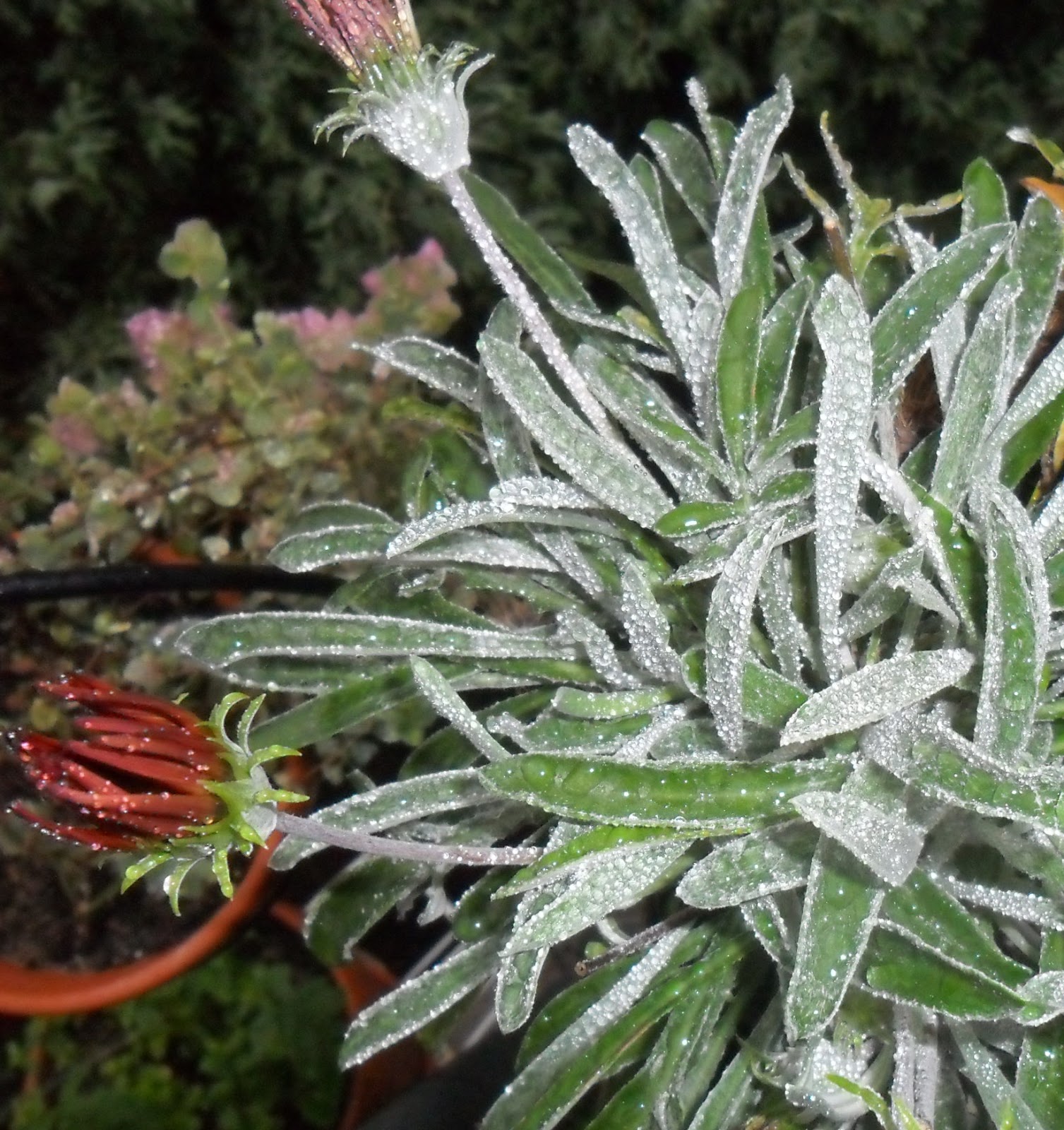
I previously did a blog post on edible flowers in 2013. Since that time I have developed a wonderful slide presentation on Edible Flowers with a chart that details what parts of flowers to use. The program includes herb, vegetable and landscaping flowers all of which are edible in one way or another. As the weather gets warmer and I start to get antsy for gardening season to begin the thought of some edible flowers generally pops into my head.
These days people recognize that many flowers in addition to being decorative are indeed edible which is why we see a salad topped with nasturtiums or cookies with real rose or pansy petals pressed into the frosting or even a bowl of punch with violets or violas floating on top. However I am going to give you a few ways to use flowers in a more savory way in cooking.
Chive Blossoms
 We will start with my favorite early herb flower - Chive blossoms. Chives can bloom as early as April in some places but generally show an abundance in early May in my Zone 5 garden. I make chive flowers into vinegar. using the simple microwave technique.
To make herb vinegar, wash your fresh herbs thoroughly then allow to air dry. Use any type of vinegar with a 5% acidity. Rice and wine vinegars are very popular, but distilled white works fine too. Place the herbs in a glass heat-resistant jar. Pour vinegar over herbs to cover completely. Using the handle of a wooden or plastic spoon bruise the herbs in the vinegar. Then place jar in microwave for 2 minutes on high. Allow to cool and steep.
In about 2 weeks the vinegar starts to turn a lovely pink and picks up a light onionly flavor akin to chives. It can then be used to make salad dressing and marinades. I do sell the vinegar some years, but it is always gone in a hurry.
Calendula

Marigolds brighten up the summer months and Pot Marigold, also known as Calendula is a wonderful annual to grow. I plant them as an edging around evergreen beds as well as my rain garden and my vegetable gardens. The flowers are bright, colorful and sunny and cannot help but lift your mood and they are totally edible. You can use calendula petals to make this wonderful vegetable soup.
2 cups calendula flowers
1 cup young calendula leaves
1 Tbls lemon juice (or more to taste)
calendula petals or flower heads for garnish
Directions:
Combine chicken stock, rice, celery, onions, potatoes and crushed pepper in a large saucepan. Bring to a boil, reduce heat and simmer covered for 20 minutes or until rice is just cooked. Add spinach, chives, parsley and calendula flowers and leaves and cook 5 minutes more. Remove from heat and stir in lemon juice. Garnish with fresh calendula. Serve at once with a flower in each bowl.
Lavender
 Lavender flowers arrive in late summer and give such great aroma of relaxation they tend to be used for potpourri and scented creams and lotions rather than for the savory qualities they bring to food. They are an important part of a traditional herb blend called Herbs De Provence. Herbs de Provence can be used to marinades, sauces and as a meat rub.
Simplified Herbs De Provence
Thyme
Rosemary
Bay
Fennel
Lavender buds
Combine dried herbs in equal amounts and store in a jar with a tight fitting lid.
Rose
 Roses are also a great savory for cooking. You can extract the essence of the petals by making a rose water that can then be used to make cookies.
You can make your own quick rose water. It has not long term shelf life, so use it up in 6 months and keep refrigerated. But you can use as a bath splash and in these savory cookies while you have it on hand.
Quick Rose Water
from the Program Body Beautiful by Marcy Lautanen-Raleigh
Rose Cookies
Adapted from Herbs through the Seasons at Caprilands by Adelma Simmons
1 cup butter
1/2 cup honey
2 eggs, beaten
1 1/4 cups unbleached flour
1 1/2 cups whole wheat flower
1 tsp baking soda
1/2 tsp cream of tartar
2 Tbls rose water or 1 tsp rose syrup
2 Tbls caraway seeds
raisins for garnish
Preheat oven to 375 degrees. Cream together butter and honey. Add eggs and beat well. Sift flours with baking soda and cream of tartar. Add to the creamed mixture. Stir in rose water or rose syrup and caraway seeds. Drop mixture by teaspoon onto greased cookie sheets. Flatten slightly with a moistened finger and put a raisin in the center of each cookie. Bake at 375 degrees until lightly browned, about 8 to 10 minutes. Remove from cookie sheets and cool on a wire rack. Make 8 dozen.
These days people recognize that many flowers in addition to being decorative are indeed edible which is why we see a salad topped with nasturtiums or cookies with real rose or pansy petals pressed into the frosting or even a bowl of punch with violets or violas floating on top. However I am going to give you a few ways to use flowers in a more savory way in cooking.
Chive Blossoms
To make herb vinegar, wash your fresh herbs thoroughly then allow to air dry. Use any type of vinegar with a 5% acidity. Rice and wine vinegars are very popular, but distilled white works fine too. Place the herbs in a glass heat-resistant jar. Pour vinegar over herbs to cover completely. Using the handle of a wooden or plastic spoon bruise the herbs in the vinegar. Then place jar in microwave for 2 minutes on high. Allow to cool and steep.
In about 2 weeks the vinegar starts to turn a lovely pink and picks up a light onionly flavor akin to chives. It can then be used to make salad dressing and marinades. I do sell the vinegar some years, but it is always gone in a hurry.
Vinegar Slaw
3 1/2 pounds green cabbage, cut
into 1-inch chunks
1 very large Vidalia or other
sweet onion (1 1/4 pounds), cut into 1-inch pieces
1 pound carrots, cut into 1/2-inch
pieces
3 celery ribs, cut into 1/2-inch
pieces
1 cup sugar
1 cup chive blossom vinegar
3/4 cup peanut oil
1 teaspoon dry mustard powder
1 teaspoon celery seeds
1 teaspoon kosher salt
1/2 cup chopped flat-leaf parsley
leaves
Working in batches, pulse the
vegetables in a food processor until finely chopped. Transfer to a large bowl
and toss well. Stir in the sugar.
In a small saucepan, combine the
vinegar, oil, dry mustard, celery seeds and salt and bring to a boil. Pour the
dressing over the slaw and toss well. Refrigerate overnight. Just before
serving, drain the slaw and stir in the parsley.
Calendula

Marigolds brighten up the summer months and Pot Marigold, also known as Calendula is a wonderful annual to grow. I plant them as an edging around evergreen beds as well as my rain garden and my vegetable gardens. The flowers are bright, colorful and sunny and cannot help but lift your mood and they are totally edible. You can use calendula petals to make this wonderful vegetable soup.
Marigold Soup
Adapted from Herbs through the Seasons
at Caprilands by Adelma Simmons
8 cups chicken
stock
1/2 cup brown
rice, uncooked
1 cup celery,
chopped
2 medium onions,
chopped
2 medium potatoes
scrubbed and diced
1 Tbls black
peppercorns, crushed
2 cups fresh
spinach, chopped
½ cup chives,
chopped
½ cup chive flowers, torn and chopped
1 cup parsley, chopped2 cups calendula flowers
1 cup young calendula leaves
1 Tbls lemon juice (or more to taste)
calendula petals or flower heads for garnish
Directions:
Combine chicken stock, rice, celery, onions, potatoes and crushed pepper in a large saucepan. Bring to a boil, reduce heat and simmer covered for 20 minutes or until rice is just cooked. Add spinach, chives, parsley and calendula flowers and leaves and cook 5 minutes more. Remove from heat and stir in lemon juice. Garnish with fresh calendula. Serve at once with a flower in each bowl.
Lavender

Simplified Herbs De Provence
Thyme
Rosemary
Bay
Fennel
Lavender buds
Combine dried herbs in equal amounts and store in a jar with a tight fitting lid.
Herbs de Provence Encrusted Pork
Loin
3 1/2 lb. Center Cut Boneless Pork Loin
2 Tbls Herbs de Provence
2 Garlic Cloves, minced
3 Tbls Olive Oil
1 tsp Kosher Salt
1/2 tsp Fresh Ground Black Pepper
1 cup Chardonnay Wine (or any other dry white wine)
1 cup Fat Free Chicken Broth
1 Tbls Cornstarch
1 Tbls Cold Water
Directions
Encrusted Pork Loin
Preheat oven to 350 degrees. Allow meat to come to room temperature for
15 minutes prior to cooking; then trim any visible fat from your roast and
place in a roasting pan; leaving any fat facing up. Combine the Herbs de Provence, garlic, oil, salt and pepper in a small
bowl; then brush it on top of the meat. Add the wine and chicken broth to the
bottom of the pan and bake until the minimum internal temperature of 145
degrees (approximately 1 1/2 hours for an internal temperature of 160 degrees;
which is how we prefer ours cooked.) Remove from the oven and allow to sit for
15 minutes before slicing.
Chardonnay Pan Gravy
Remove the pan drippings from the bottom of the roasting pan and place
in a small saucepan. Bring to a slight boil over high heat; then reduce heat to
a simmer. Combine the cornstarch and cold water and whisk the mixture into the
pan drippings. Stir constantly until the gravy has thickened; approximately 2-3
minutes. Serve over Pork Loin.
Rose

You can make your own quick rose water. It has not long term shelf life, so use it up in 6 months and keep refrigerated. But you can use as a bath splash and in these savory cookies while you have it on hand.
Quick Rose Water
from the Program Body Beautiful by Marcy Lautanen-Raleigh
1 cup firmly packed rose petals,
washed
2
cups boiling water
Place
rose petals in a ceramic or glass bowl.
Use only fresh petals (no leaves or stems). Pour boiling water over petals, and allow to
steep until cool. Strain off the petals
and pour the scented liquid into a clean bottle.
Directions
for use:
Splash on after bath or shower or use in any number of beauty recipes. Will keep refrigerated for 6 months.
Adapted from Herbs through the Seasons at Caprilands by Adelma Simmons
1 cup butter
1/2 cup honey
2 eggs, beaten
1 1/4 cups unbleached flour
1 1/2 cups whole wheat flower
1 tsp baking soda
1/2 tsp cream of tartar
2 Tbls rose water or 1 tsp rose syrup
2 Tbls caraway seeds
raisins for garnish
Preheat oven to 375 degrees. Cream together butter and honey. Add eggs and beat well. Sift flours with baking soda and cream of tartar. Add to the creamed mixture. Stir in rose water or rose syrup and caraway seeds. Drop mixture by teaspoon onto greased cookie sheets. Flatten slightly with a moistened finger and put a raisin in the center of each cookie. Bake at 375 degrees until lightly browned, about 8 to 10 minutes. Remove from cookie sheets and cool on a wire rack. Make 8 dozen.