This year we have been miraculously cool, but I know other parts of the country have not been so lucky, so what to do when the heat causes your herbs to bolt, or flower and make seed?

Being the year of Cilantro I thought it was important to mention that some herbs can lose potency when flowering. Cilantro actually changes from Cilantro to Coriander and the leaves change shape and flavor. Once a Cilantro plant starts to go to seed (bolting,) there is no amount of pinching off the flowers that can stop the process and you either pull it out and start over or use the coriander seed.

Most of the time, with other herbs, you can pinch off the flowers. From perennial herbs like chives, marjoram, mint, oregano, sage, tarragon and thyme; cut the plants back a bit give them a good watering and let them regrow. With that care, they will keep growing and produce more flavor-filled herb leaves for you to harvest. Use the pinched off flowers to spice up your meals in the mean time.

In my garden the marjoram is flowering now, I like to harvest and dry the flowers for arrangements so I let it flower. It does not seem to harm the flavor of the dried marjoram that much.

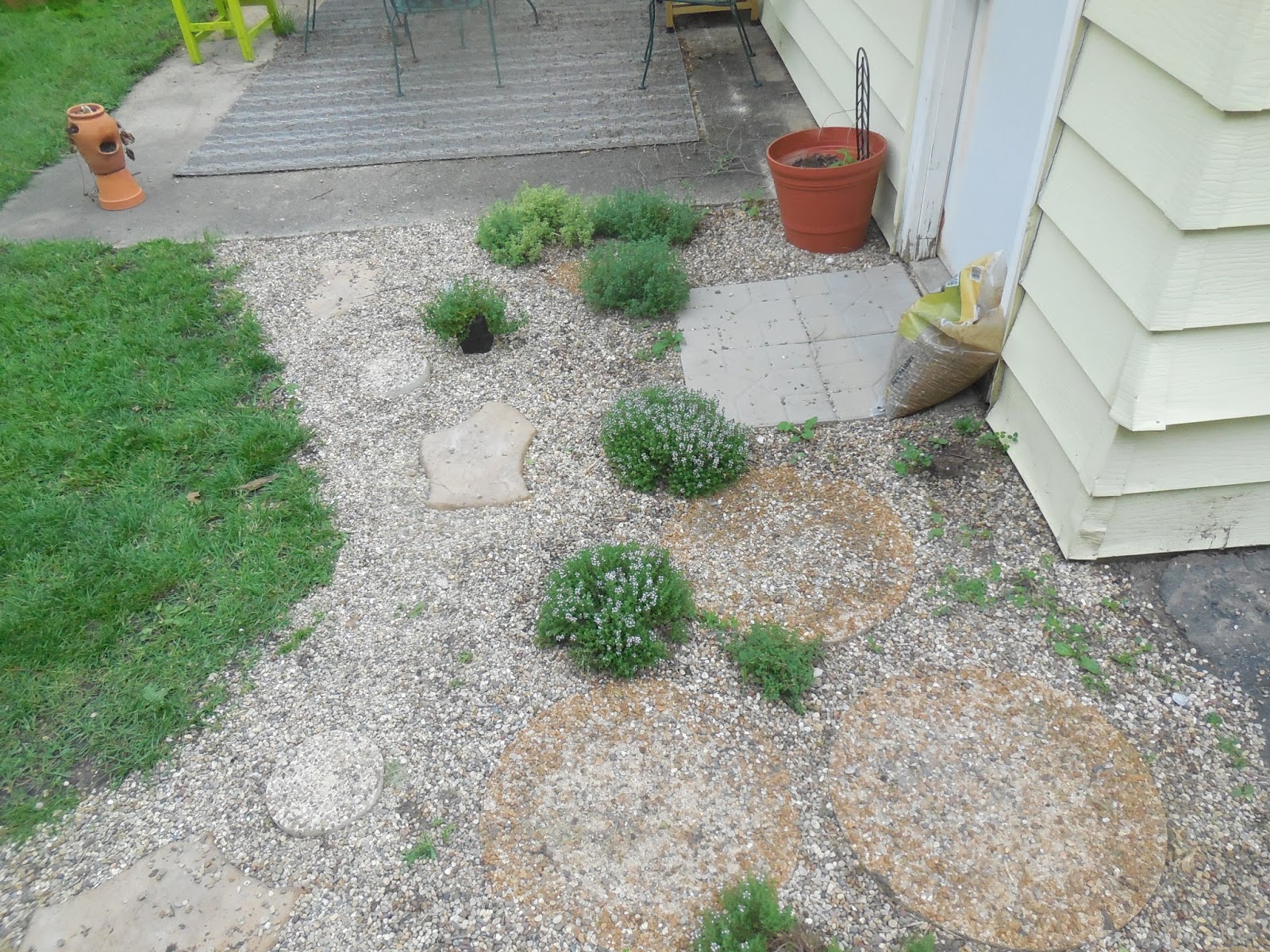
The thyme is such a prolific flowering plant that you cannot just pinch off the flowers, you need to give the entire bush a trim. But I gather the flowers and leafy stem pieces into a paper bag and let them dry, a bit of flower in my dried stripped leaves will not hurt the flavor of anything I cook them with.
For
annual herbs like basil, cilantro/coriander, dill and fennel, their one and
only botanical job is to bear seeds; bolting signals the end of their growth
cycle, so you need to use them before you lose them to seed (saving the seed will give you a head start on next year’s garden.)

Basil can be halted by slipping off the flowers, but most of the other annuals need to be harvested or used before they start making seed, when it gets hot, keep an eye on them.

Basil can be halted by slipping off the flowers, but most of the other annuals need to be harvested or used before they start making seed, when it gets hot, keep an eye on them.

Dill weed can be eaten when the plant is producing seed and is still very tasty. However if you want to dry the dill weed, you want to harvest that before there are seed heads forming. I sow a crop of dill seed every two weeks through out the growing season to keep a fresh selection of dill weed available. Dill is a nice herb to start now for a fall harvest so sprinkle a few dill and cilantro seed now and harvest in a few short weeks.

Ramen noodles are often a quick summer dish especially mixed with fresh vegetables from the garden. You can make a fresh herb broth to season both the vegetables and the noodles with your herb clippings.

Food writer Mark Bittman shared this broth recipe that I have tried again and again. He
puts a small handful of rosemary, thyme or sage sprigs (bolted or not), a large
handful of parsley stems, a few fresh bay leaves or sprigs of savory, 1 or 2 crushed garlic cloves and a
pinch of black peppercorns in a pot with 6 cups of cold water, then brings the
pot to barely a simmer, removes it from the heat and steeps the herbs for 15 minutes, then strains the broth before using it. It is perfect with all those thyme clippings and if you use sage flowers the flavor is more mellow than sage leaves.
My recent interest in herbal cocktails caused me to try tossing herbs into brandy also. The flowers of herbs, especially the exotic basils, like cinnamon, lemon or Thai along with savory, lavender and even some garlic chive blossoms and mint flowers placed in a quart jar filled with 2 cups brandy, 1 1/2 cups sugar and 1/2 cup water when stored in the dark until October or November can be strained and bottled for holiday sipping or gift giving. Let the herbs steep for 2 to 3 months before you strain and rebottle them.
I found this recipe in an article from England, but I think it is a great idea.
Garbage Vinegar
Use the scraps, trimmings and flowers from your herbs when you are pinching them back. The stems and flowers of culinary herbs infuse the vinegar with flavor and fragrance. Makes 1 to 1 1/2 cups vinegar.
1 clean quart-sized canning jar with a plastic lid
1 quart of good white wine vinegar
Bits and pieces, odds and ends of fresh (or dried) herbs
Fill
the jar with vinegar. Screw on the lid. Each time you
use fresh or dried herbs in cooking, instead of throwing them away or composting the
leftover pieces, put them in the jar. When the jar is completely full
of leftover herbs, let it sit for a week. Strain the herb vinegar through
a coffee filter or several layers of cheese cloth. Pour it into a clean
bottle. Cap tightly. Use frequently for marinades, dressings, sauces and any place else you want a dash of flavor. This will never spoil and may become your perfect go to for cooking.
Another way to make garbage vinegar is to add the dregs for your single herb vinegars to a common jar. My hubby did this when the clutter of 5 almost finished single herb vinegars got in his way in the kitchen. He poured them all into one jar and uses it for his chicken pork marinades.


